Celebrating a shared heritage:
Bringing Communities Closer Together
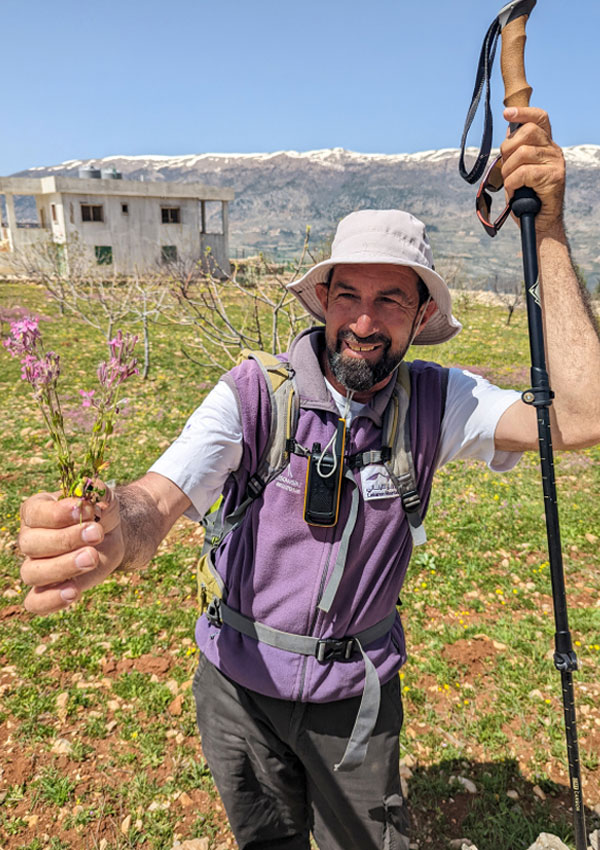
Empowering the Trail Guardians and Creating Rural Opportunities
Through its support for the Lebanon Mountain Trail Association and aligned public-benefit initiatives, the Foundation contributes to opportunities that strengthen local skills, professional development and sustainable livelihoods.
The LMT Association trains local guides to provide safe, high-quality experiences while developing expertise in nature, heritage, responsible tourism and conservation. The current program is training 35 new local guides.
Local guides play an essential role in connecting visitors with Lebanon’s landscapes, heritage, communities, and traditions. They also contribute to safe, responsible and sustainable tourism in rural areas. As mountain hiking grows in popularity, the role of the local guide has become essential in providing a high-quality, professional experience that benefits both the traveler and the village. Guides are more than pathfinders; they are educators and ambassadors of the land, helping visitors understand and appreciate its natural and cultural heritage.
Capacity Building of Local Guides
Training programs turn a guide’s passion for the outdoors into a professional career and transforms local enthusiasts into professionals through a diverse curriculum designed to provide a seamless and enriching journey:
- Technical Mastery: Outdoor safety and certified basic first aid
- Heritage Interpretation: Landscape analysis, flora, fauna, and local agricultural traditions
- Professional Standards: Tourism value chain and ethics, guiding as a sustainable profession.
- Conservation & History: Nature preservation and the historical narratives that define the trail.
The National Reference for Trails
Through its strategic partnership with the Lebanon Mountain Trail Association, the Foundation supports initiatives that strengthen local hospitality and create sustainable income opportunities for rural families and communities.
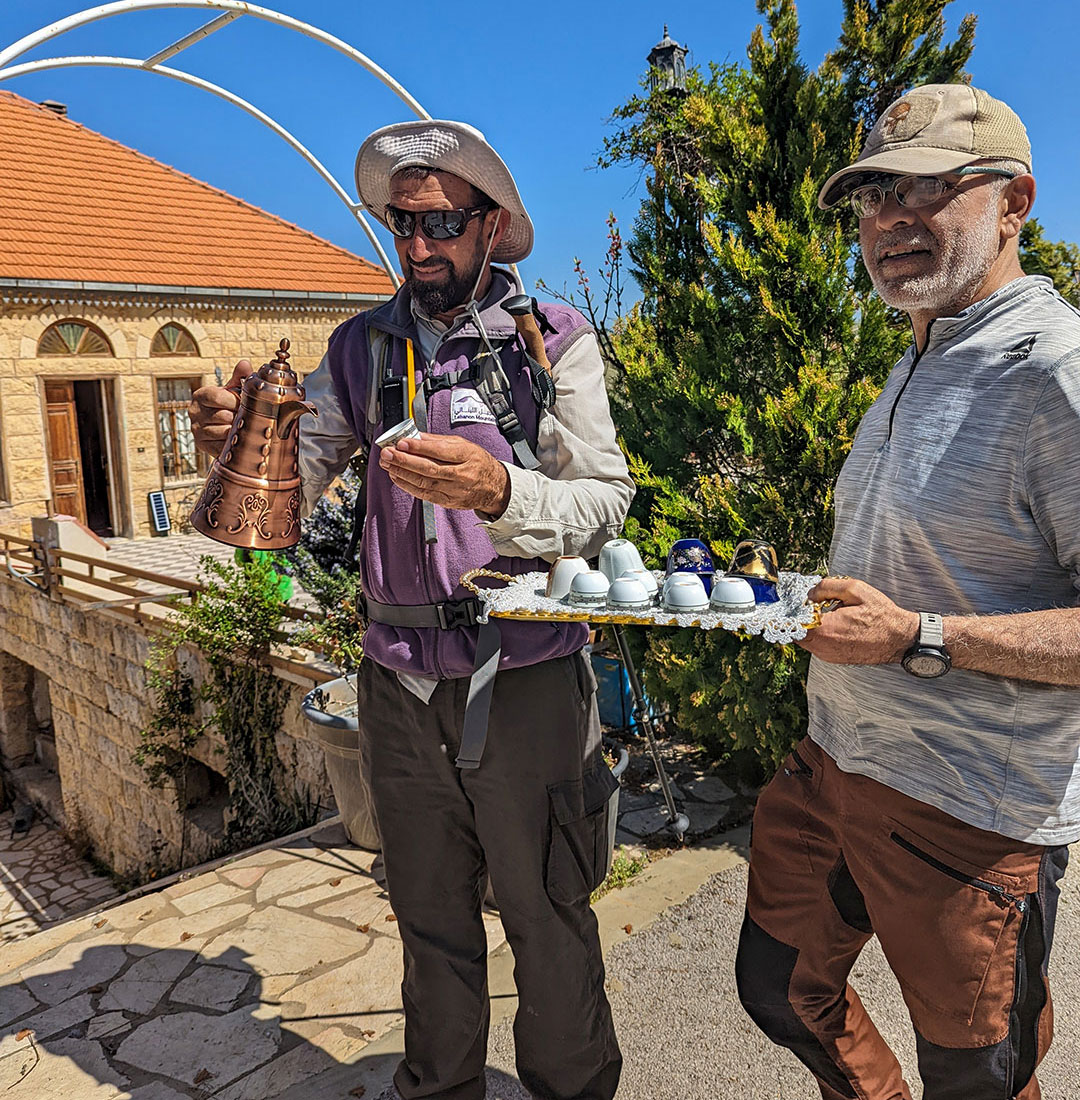
The LMT Association works with local guest house owners to strengthen hospitality standards and improve the experience of hikers and visitors. Training covers hygiene, cleanliness, maintenance, food safety, customer care, and sustainable hospitality practices, while emphasizing the warmth and authenticity of Lebanese rural hospitality.
Practical guidance includes room upkeep, hot water availability, local food quality and presentation, waste management, and responsiveness to hikers’ needs. By helping guest house owners enhance their services and facilities, the program improves visitor satisfaction while creating sustainable income opportunities for rural communities.
These efforts contribute to strengthening the quality and reputation of rural tourism along the Lebanon Mountain Trail.












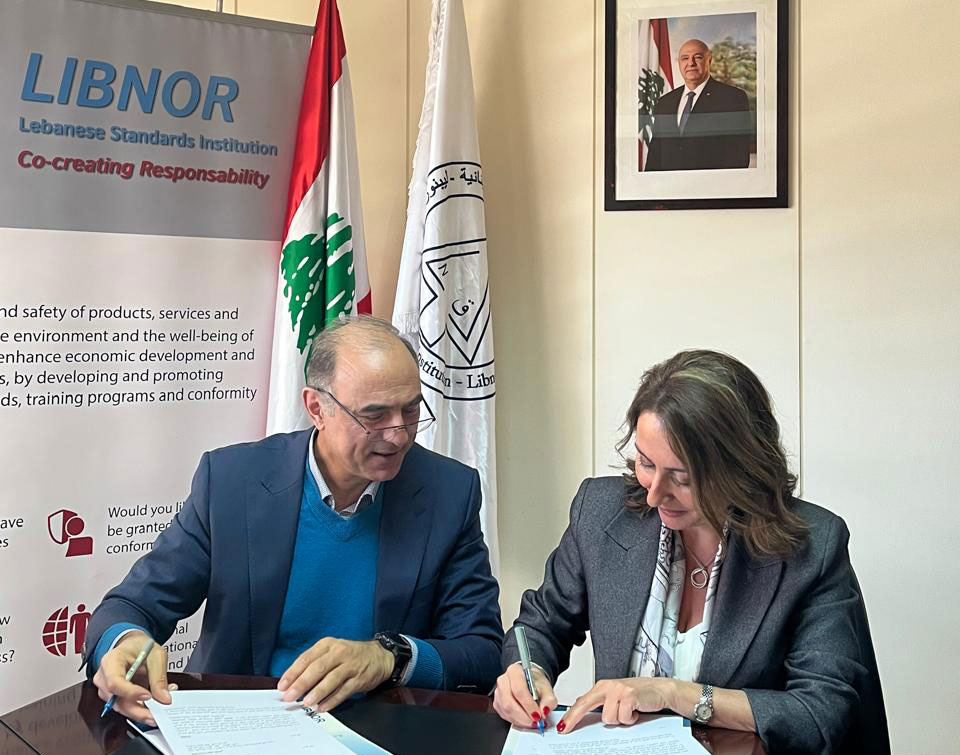
The Lebanon Mountain Trail Association has developed extensive expertise in trail management and development over nearly two decades.
Building on this experience, the LMTA is finalizing National Trail Standards in collaboration with LIBNOR, the Lebanese Standards Institution to ensure that the rigorous technical, safety, and environmental specifications developed by the LMTA will serve as the formal benchmark for trail projects across the entire country.
The initiative aims to establish consistent technical, safety, environmental and management standards that can help guide trail development across Lebanon.
The LMTA is using its 18-year track record as a proven model for how long-distance trails can be successfully maintained and integrated into rural landscapes.
Strengthening Rural Livelihoods
Livelihood Improvement
These initiatives demonstrate how trail development, conservation and responsible tourism can contribute to economic resilience and income opportunities for Lebanon’s rural communities.
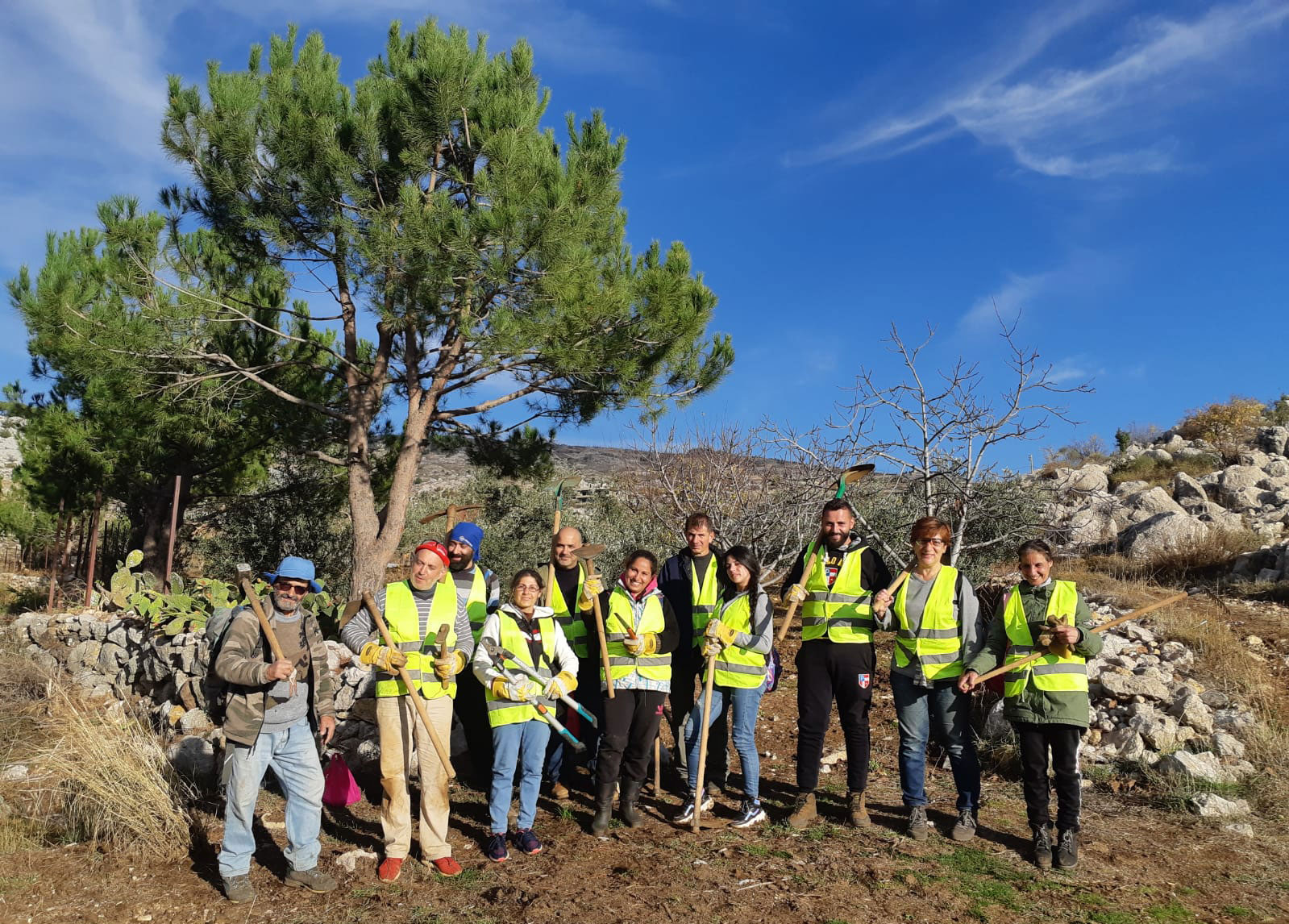
Through the ILO/LMTA Trail Conservation and Employment Project, completed in 2024, the initiative generated short-term employment for 1,662 beneficiaries, including women, youth, and persons with disabilities. This initiative spanned 590 km across the Lebanon Mountain Trail, focusing on trail rehabilitation and capacity building while ensuring that 1,368 semi-skilled workers and supervisors gained valuable professional experience.
Building on this momentum, the development of the Saint Charbel Trail has contributed as of early 2026 over 4,450 working days for local residents.
By integrating infrastructure development with such programs, the LMT Association continues to bridge the gap between environmental conservation and sustainable income generation for those who need it most.
Subscribe here to receive the yearly LMTA magazine and periodic Newsletters.