
The Foundation supports initiatives that conserve Lebanon’s cultural heritage and help communities preserve, share, and benefit from the traditions, landscapes, and stories that define their identity.
Where History Lives Beneath Every Step
Ancient civilizations have shaped this land; preserving their legacy keeps their stories alive for generations to come.
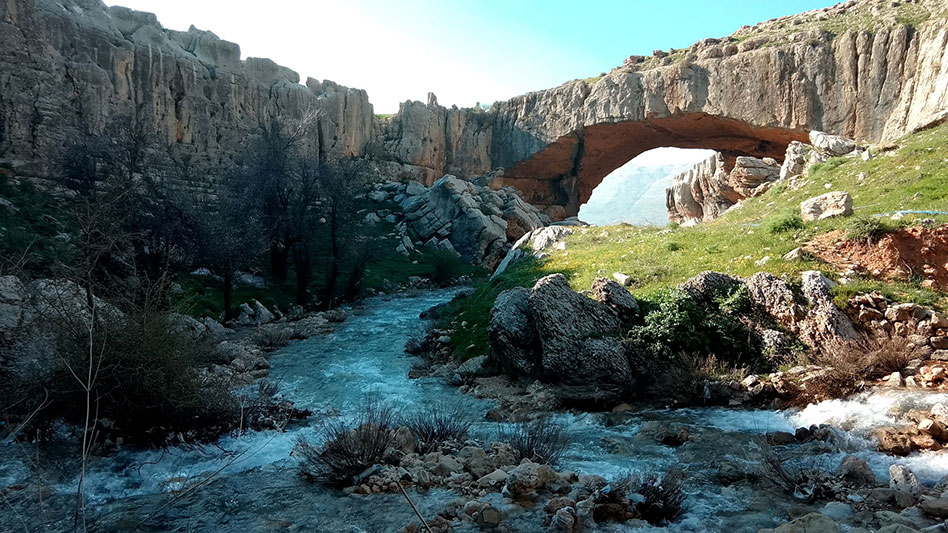
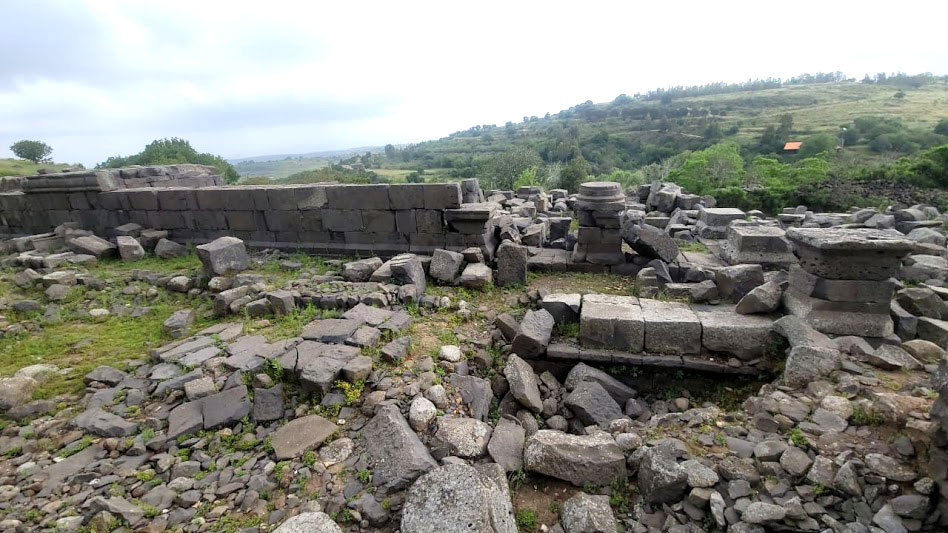
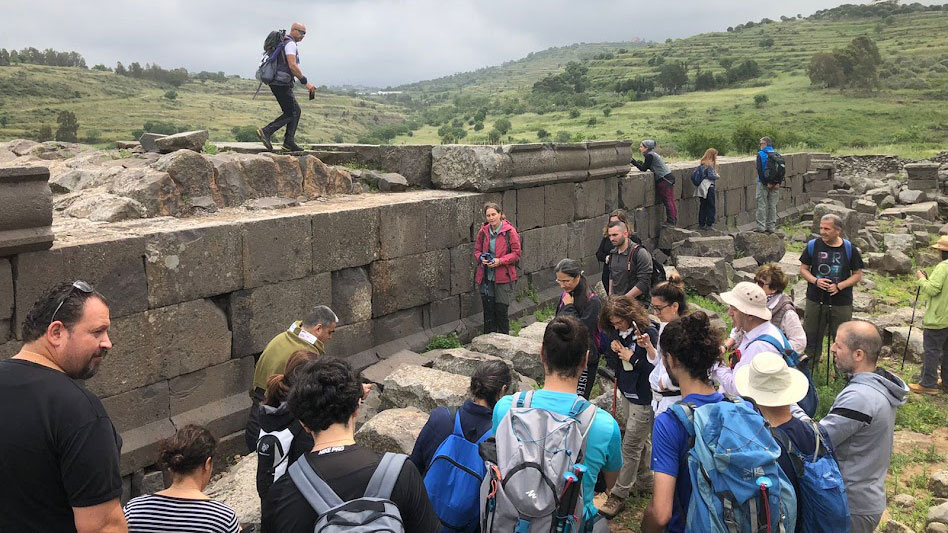
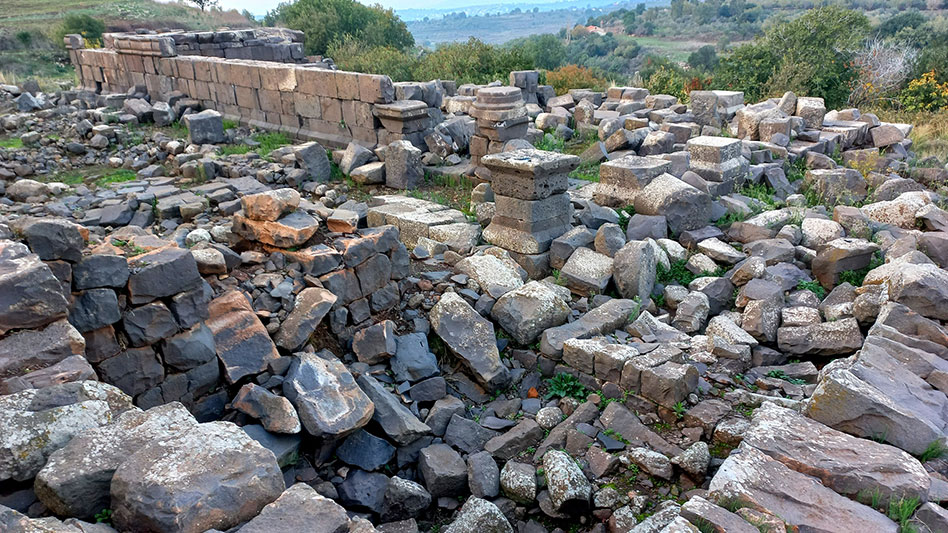
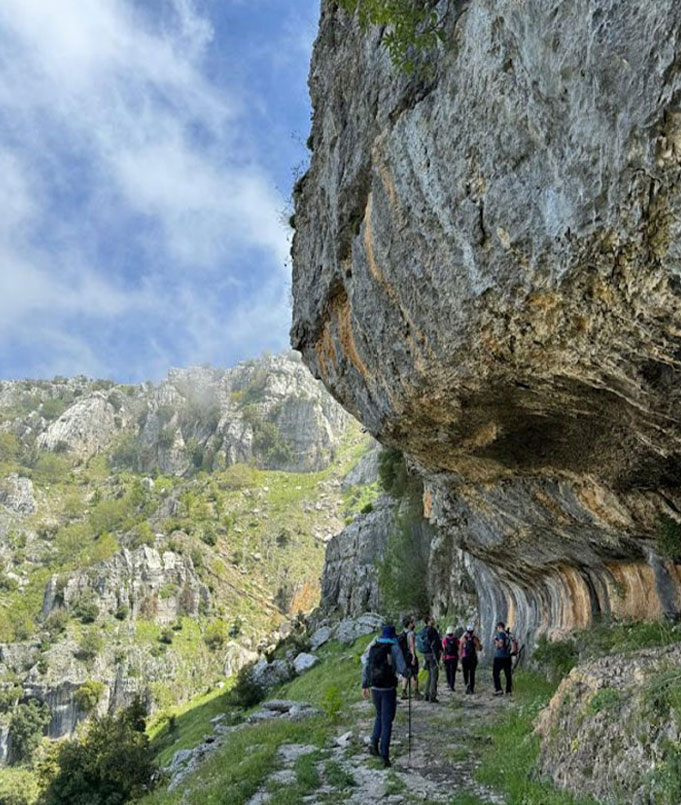
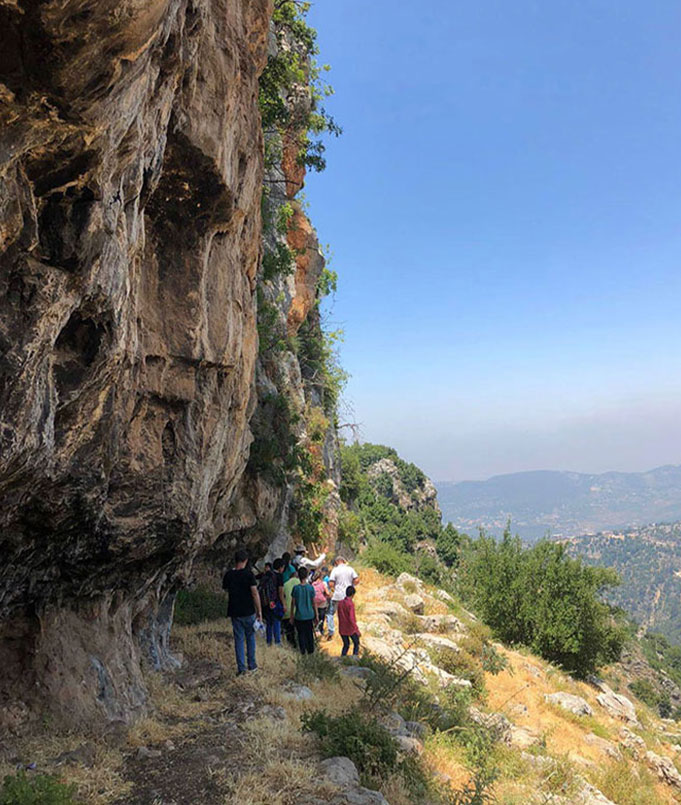
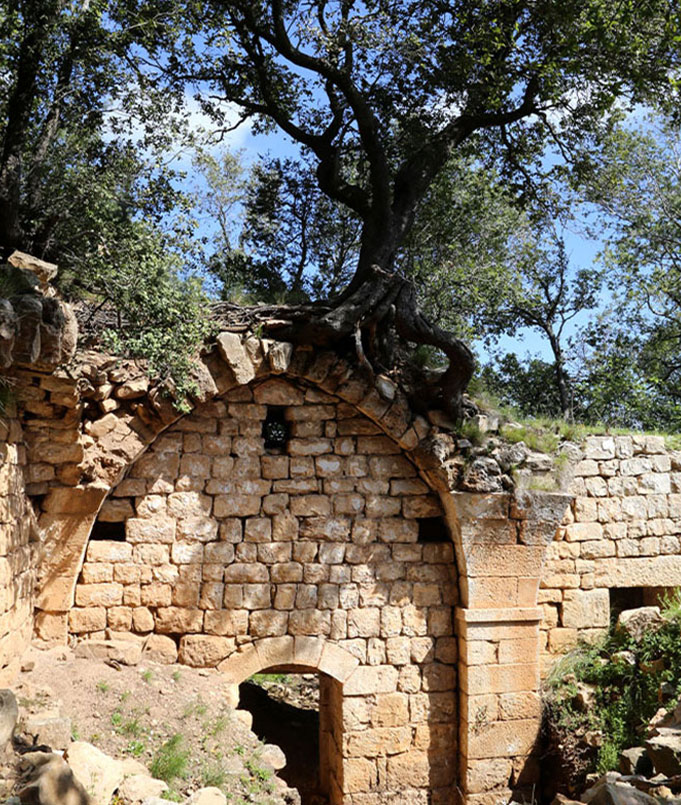
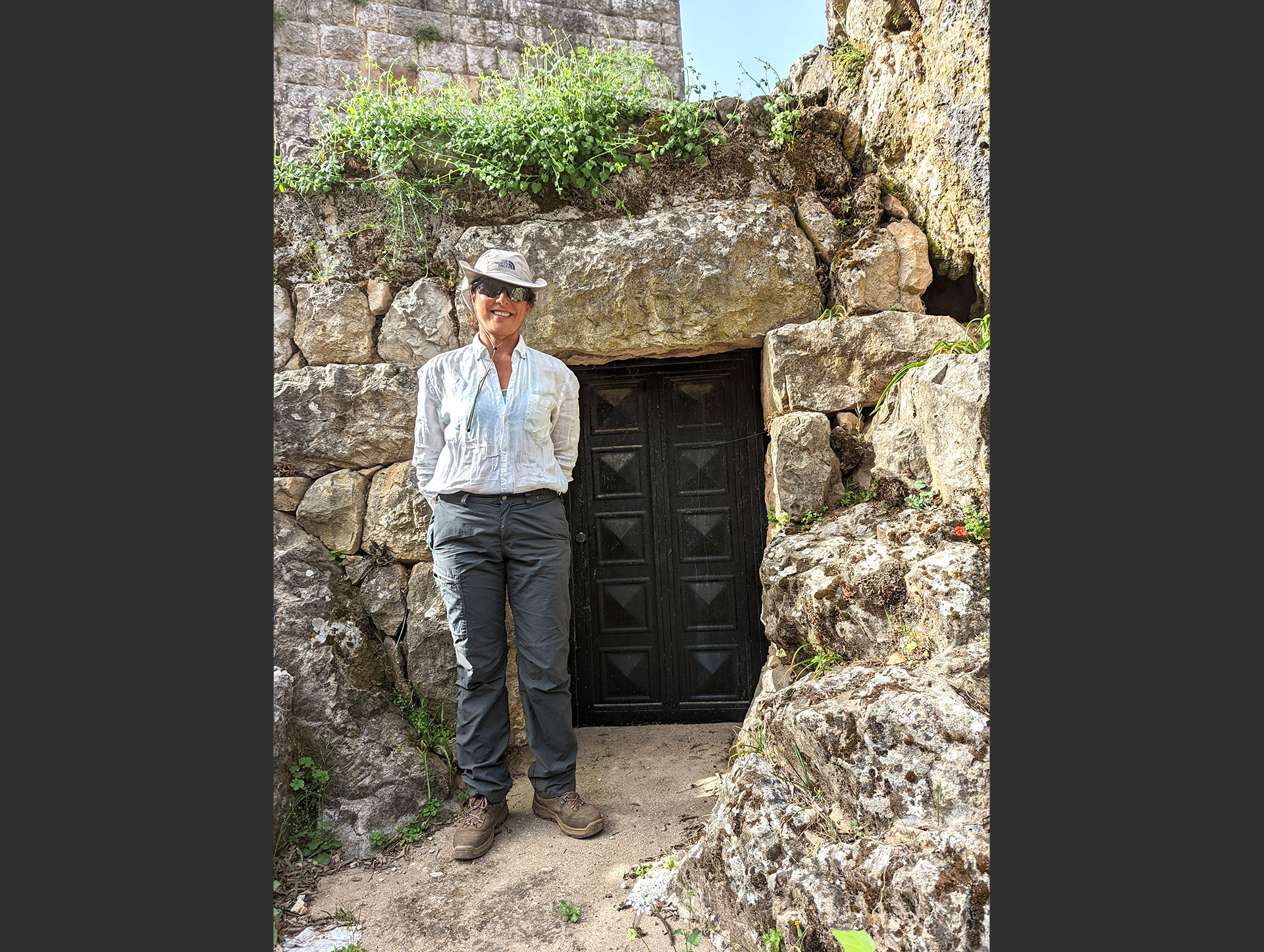
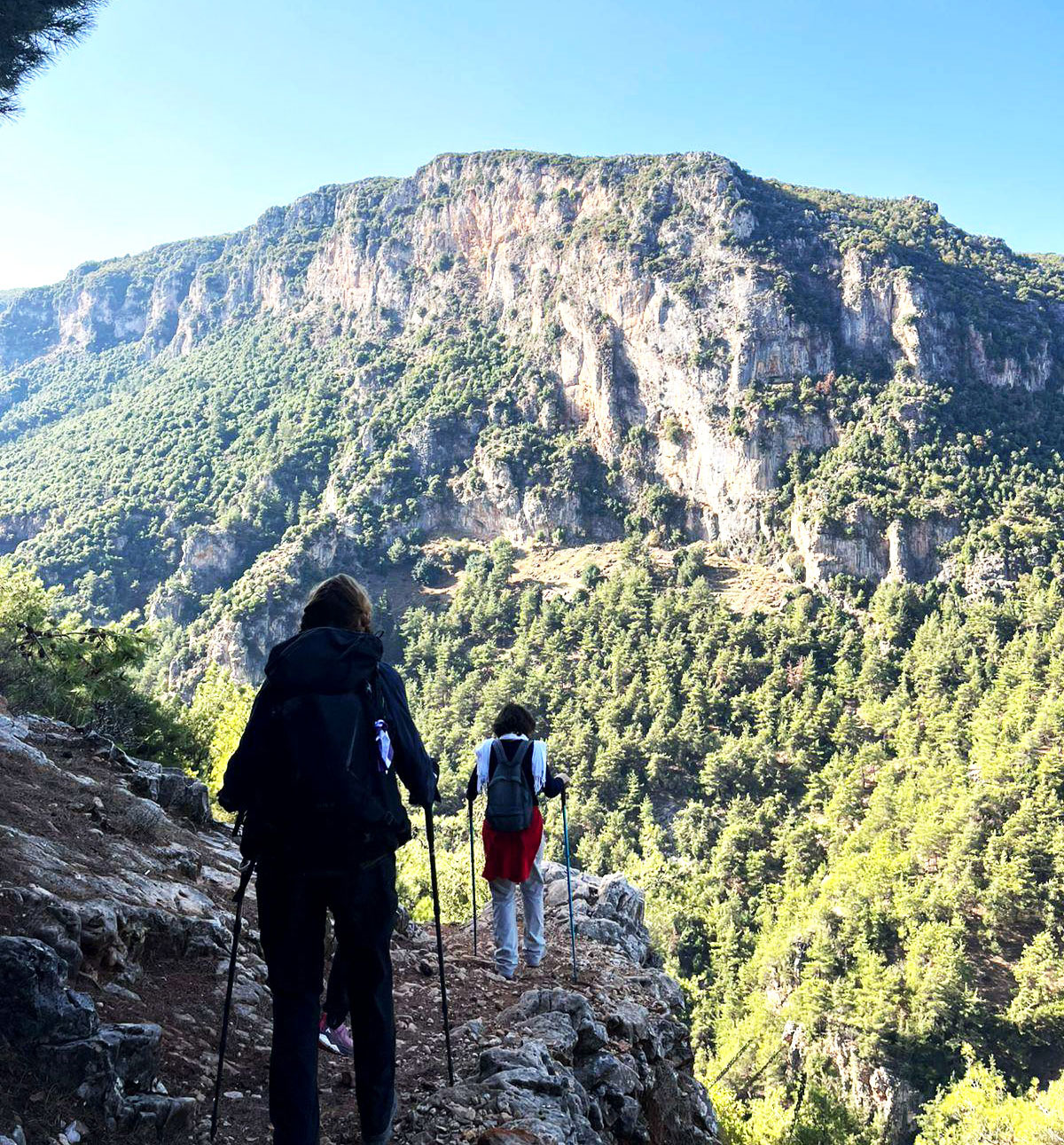
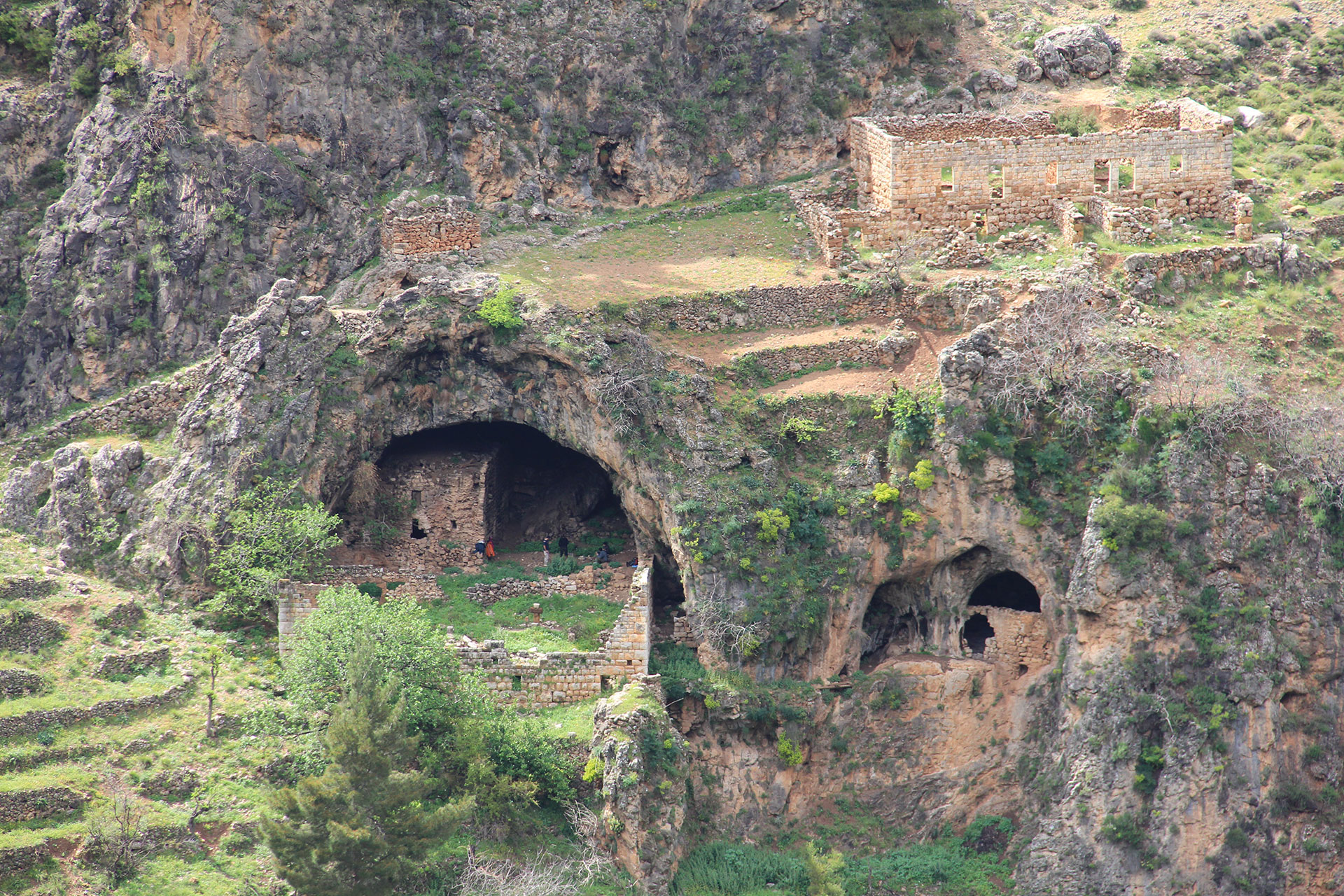
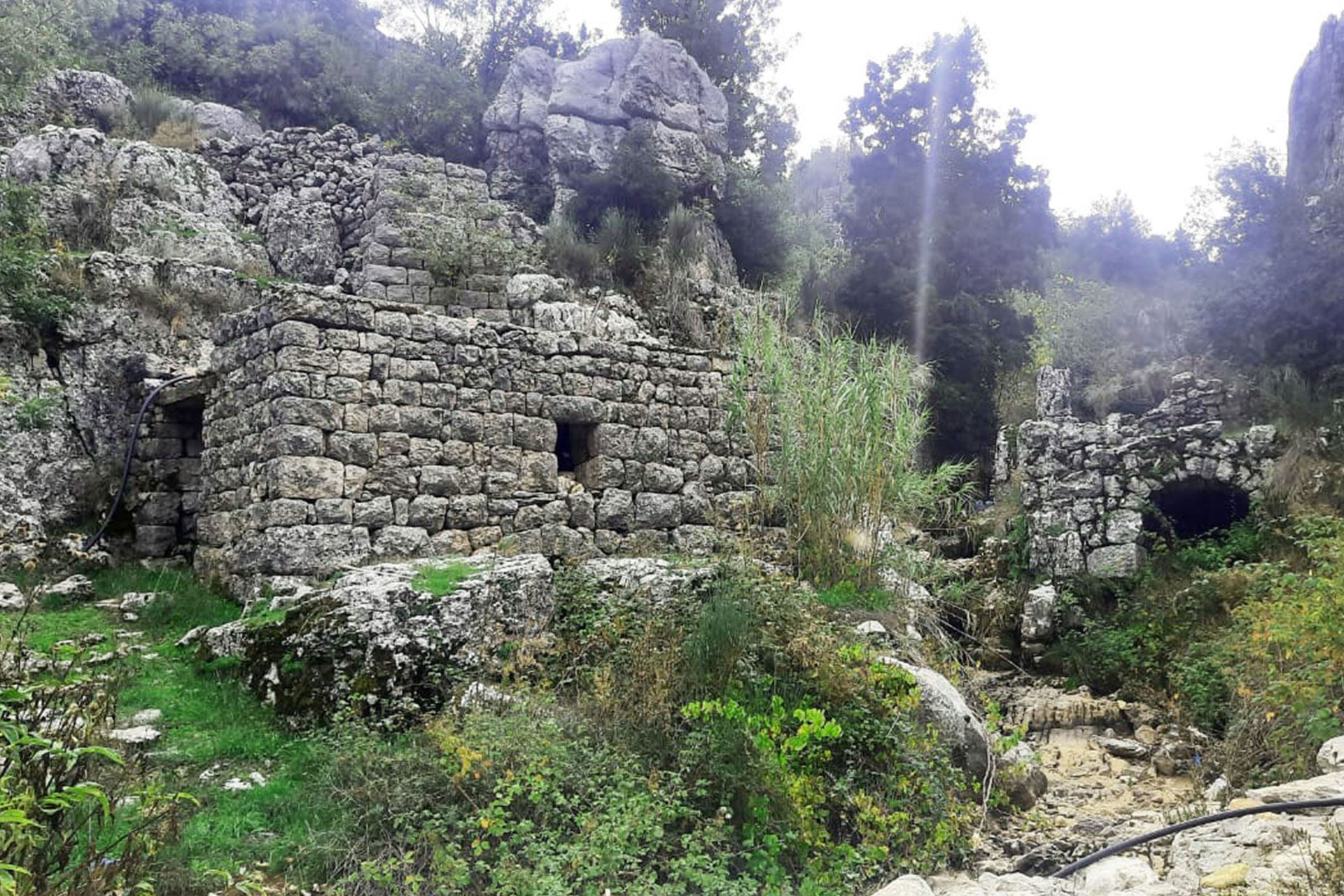
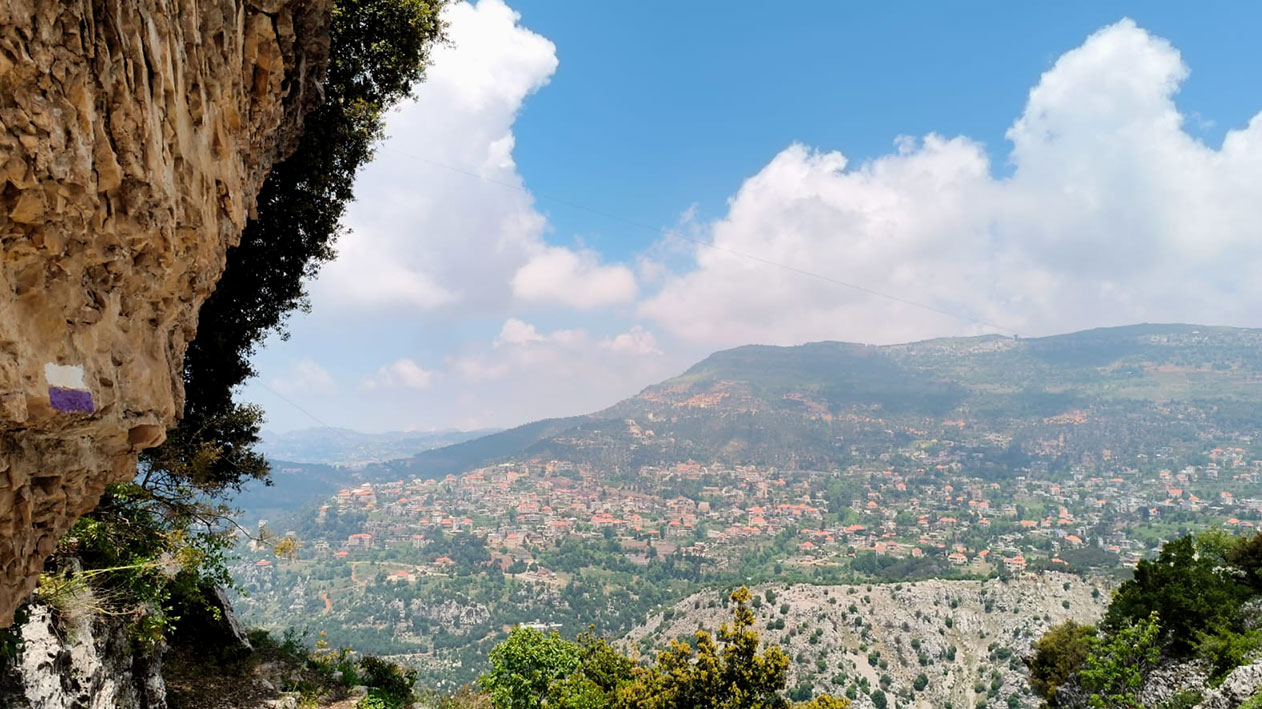
The Lebanon Mountain Trail offers a unique journey through more than 3,000 years of history along its 450 km route. Hikers encounter a rich archaeological heritage, including Phoenician and Roman temples, Byzantine churches, medieval fortifications, inscriptions, ancient ruins, and historic settlements.
These sites form an open-air record of human adaptation and ingenuity and represent a shared cultural legacy.
Preserving them is essential to safeguarding Lebanon’s heritage and sustaining responsible rural tourism


Homes of Stone, Stories of Belonging
Built Heritage & Architecture
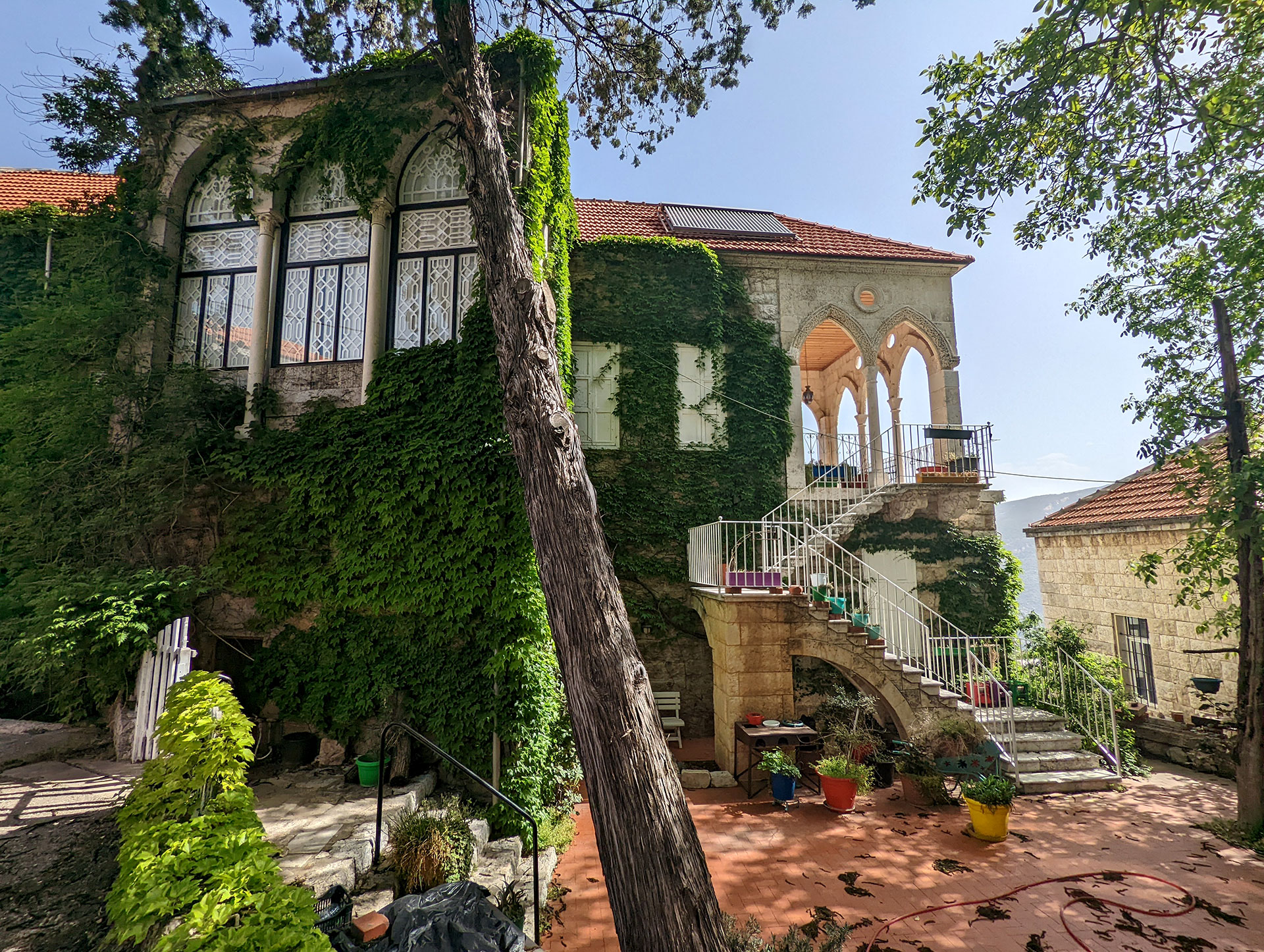
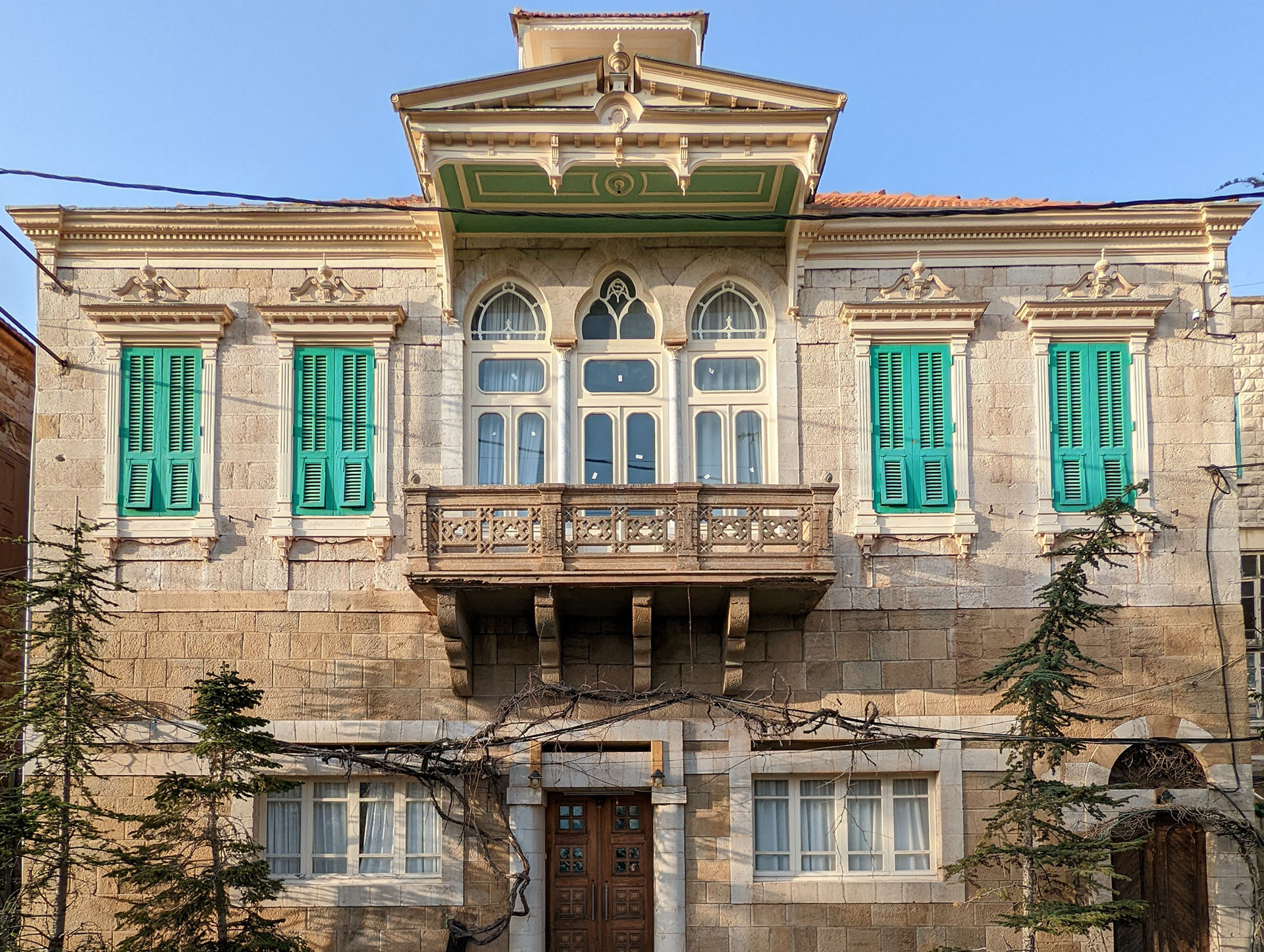
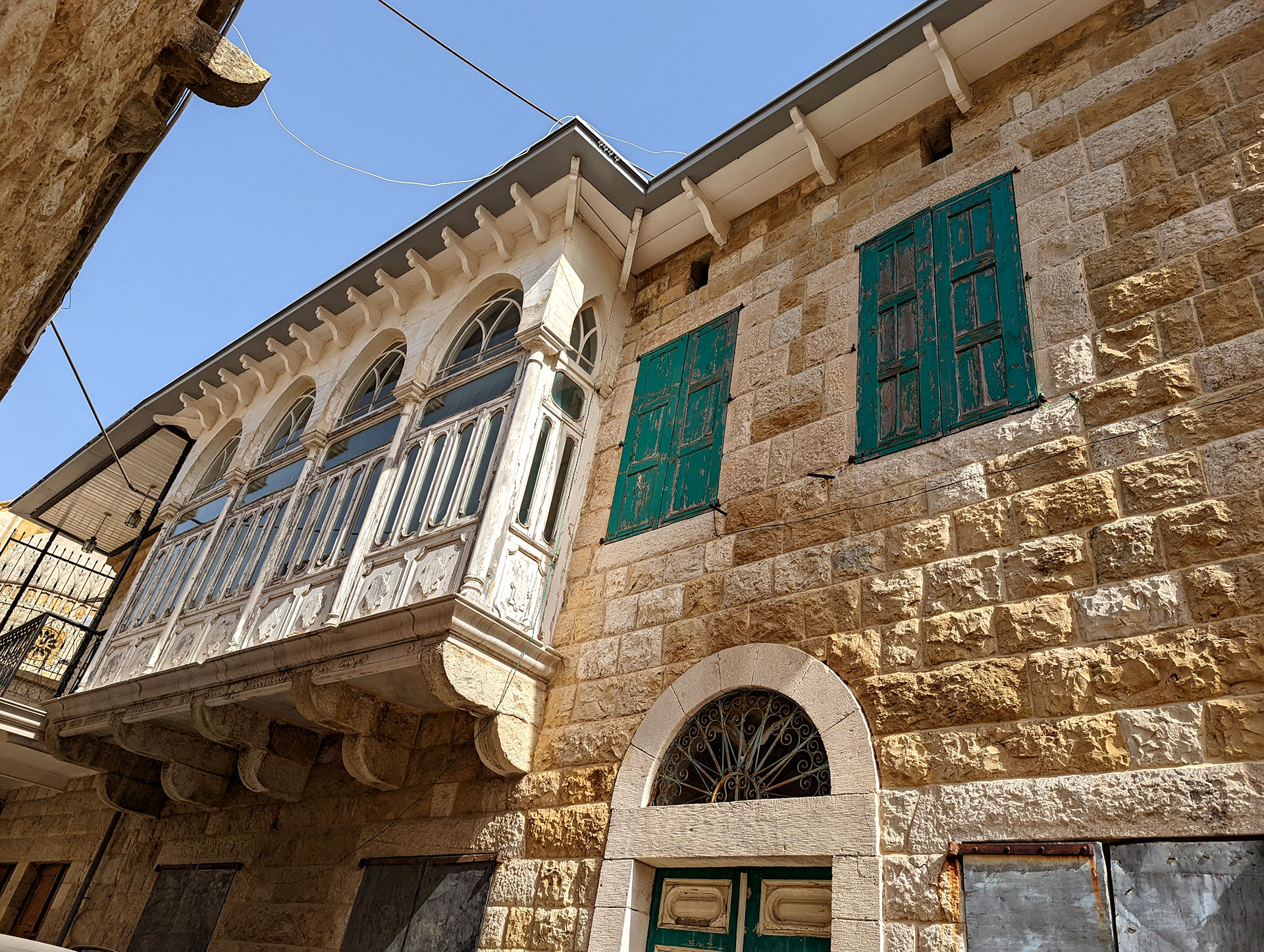
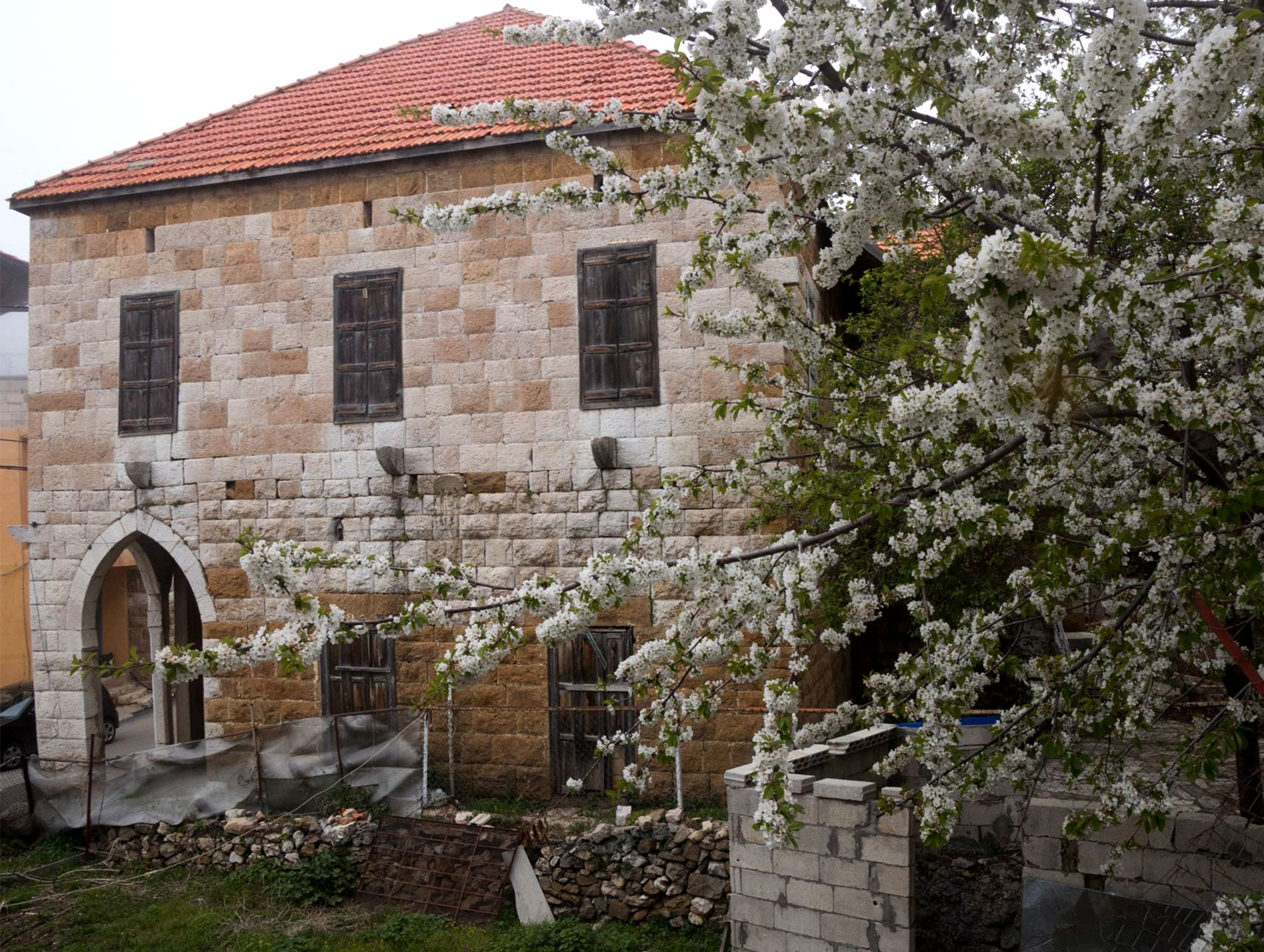
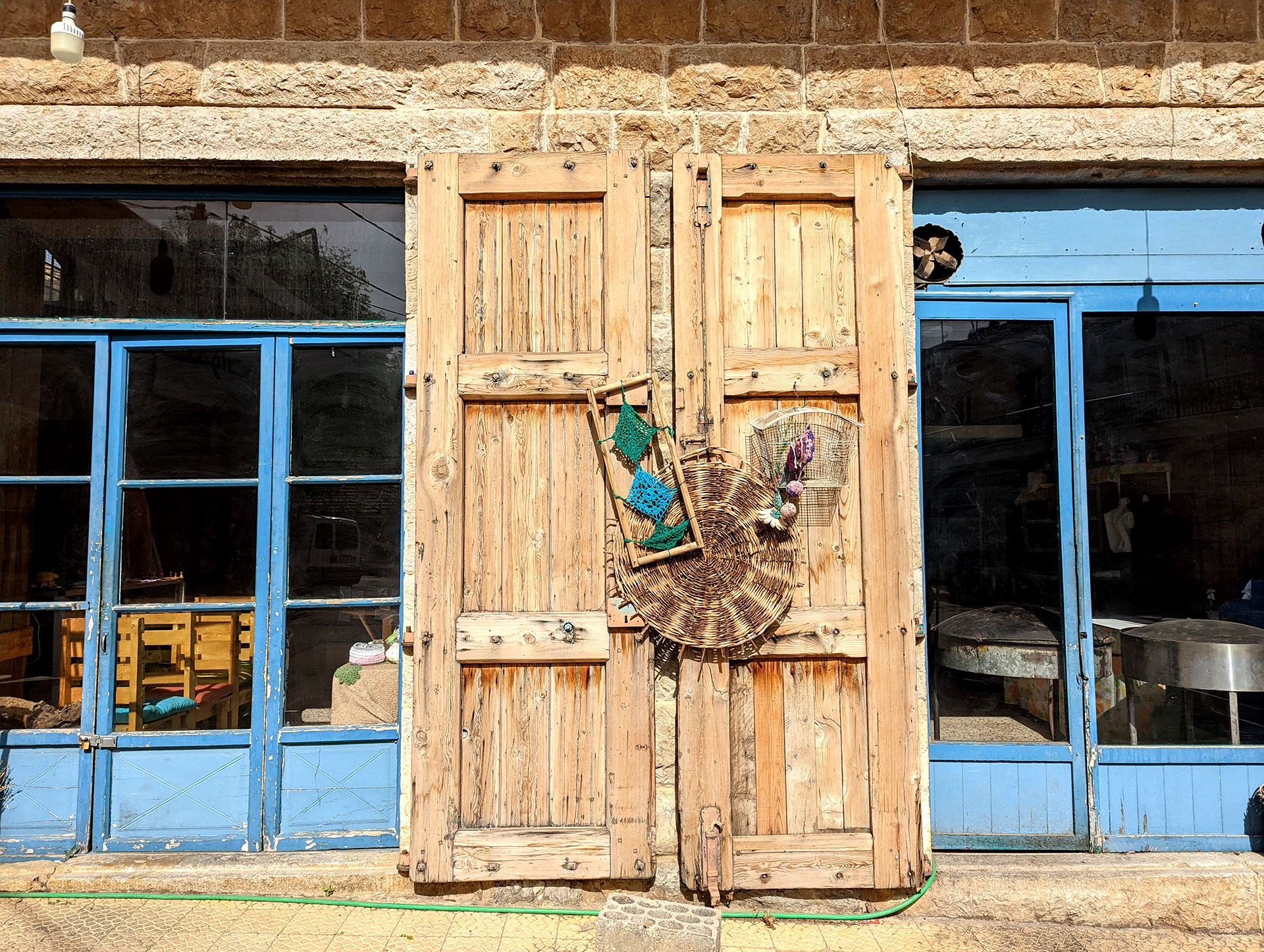
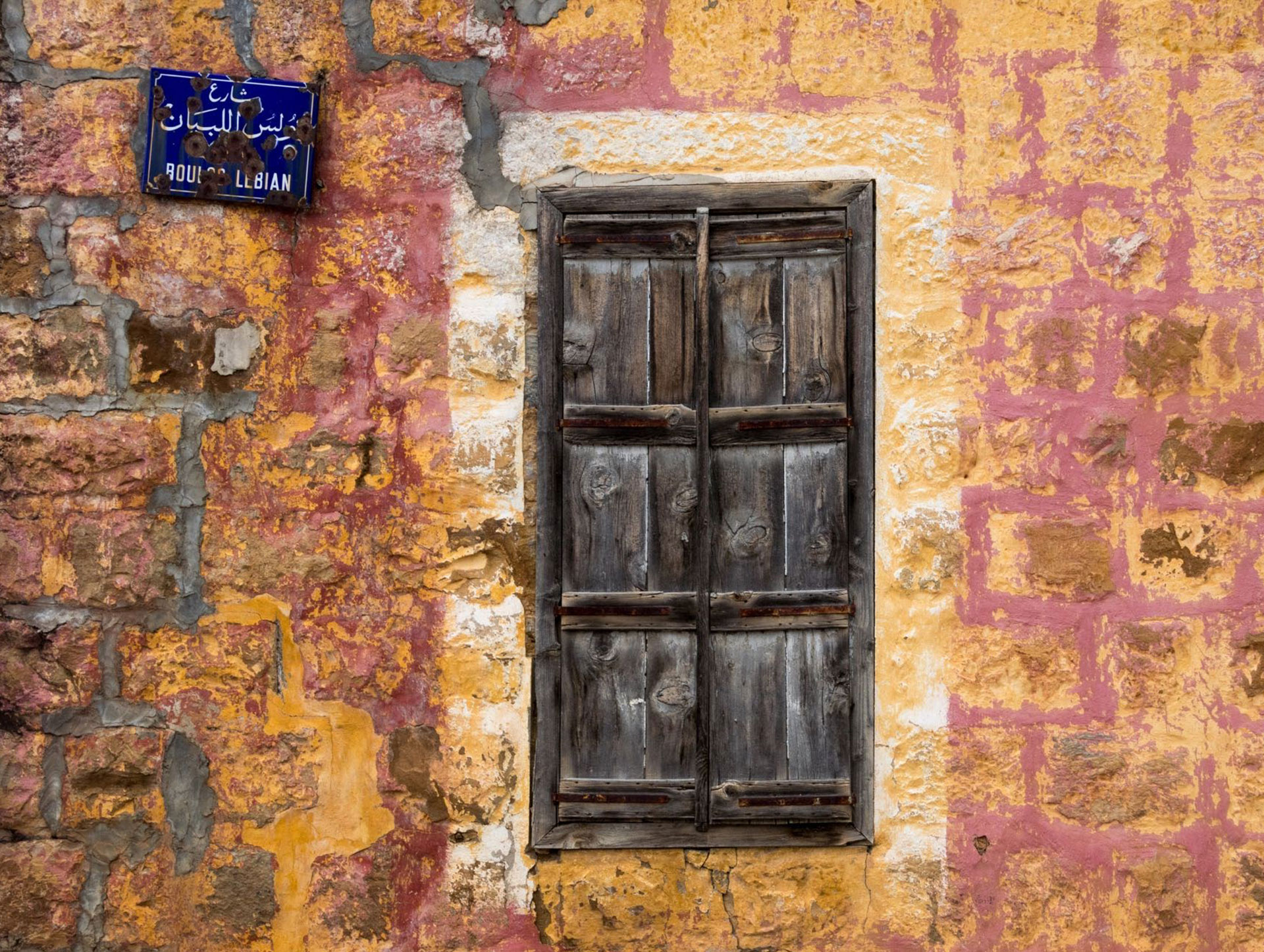
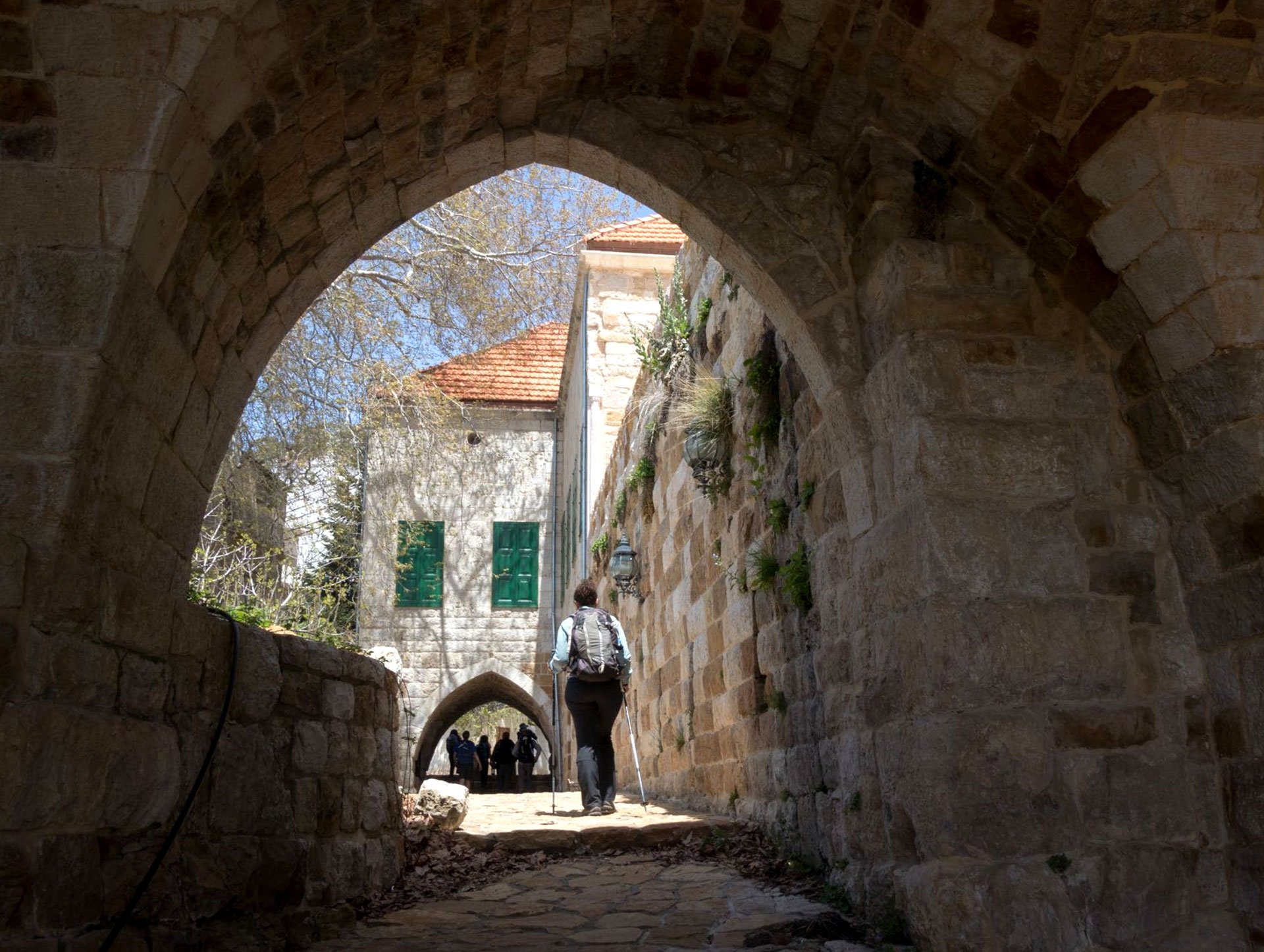
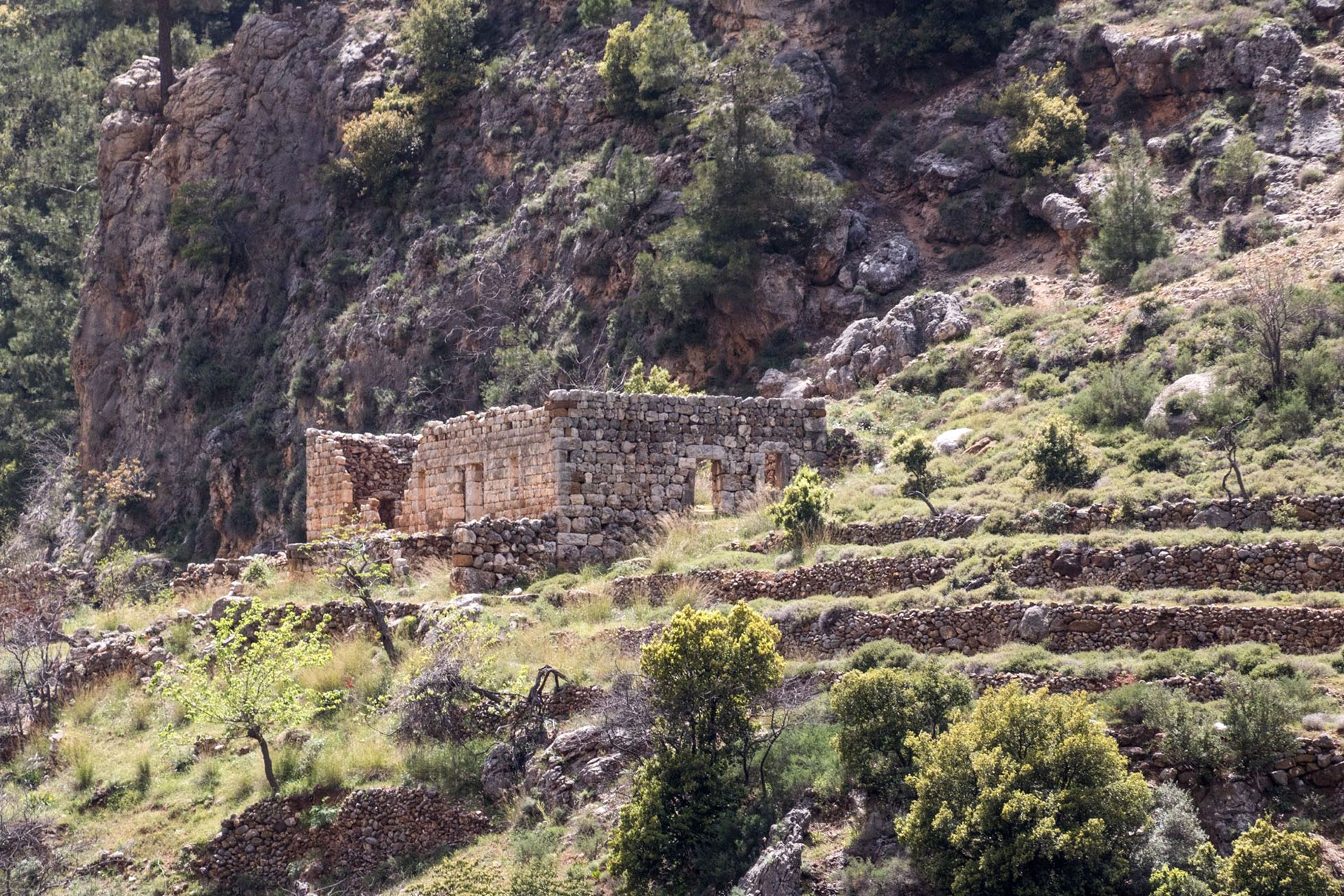
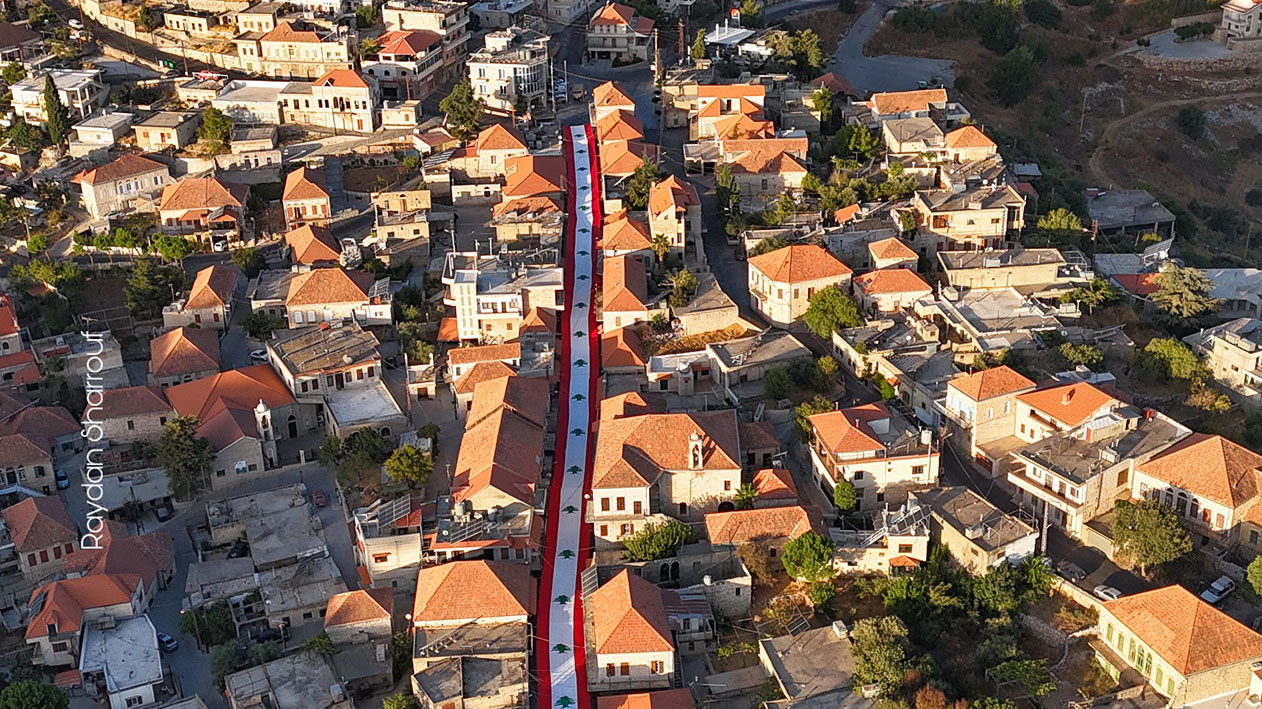
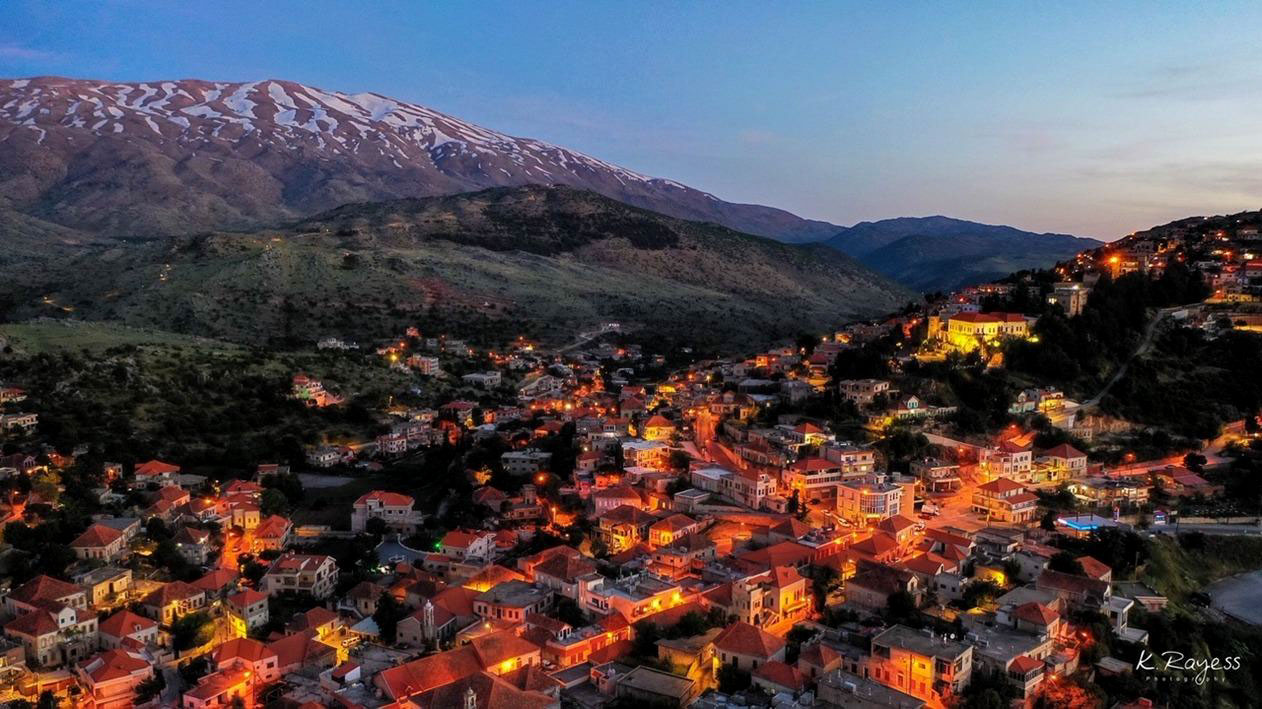
The Lebanon Mountain Trail is a 450 km journey through diverse architectural traditions shaped by geography, climate, and history. From the thick stone houses and red-tiled roofs of Bsharre and Ehden to the Ottoman-era architecture of the Chouf and the simpler earth-toned homes of the south, each region reflects a distinct identity.
Along the trail, visitors encounter:
- Vernacular stone houses, red-tiled roofs, and triple arches
- Traditional mountain architecture
- Abandoned historic villages
- Historic hotels and inns
- Silk factories
- Traditional towns and villages


More than aesthetics, this architectural diversity tells the story of communities and their relationship with the land, revealing centuries of Lebanese craftsmanship and cultural expression.
Sacred Spaces, Timeless Faith
From mountain monasteries to hidden shrines, these places embody centuries of devotion and coexistence.
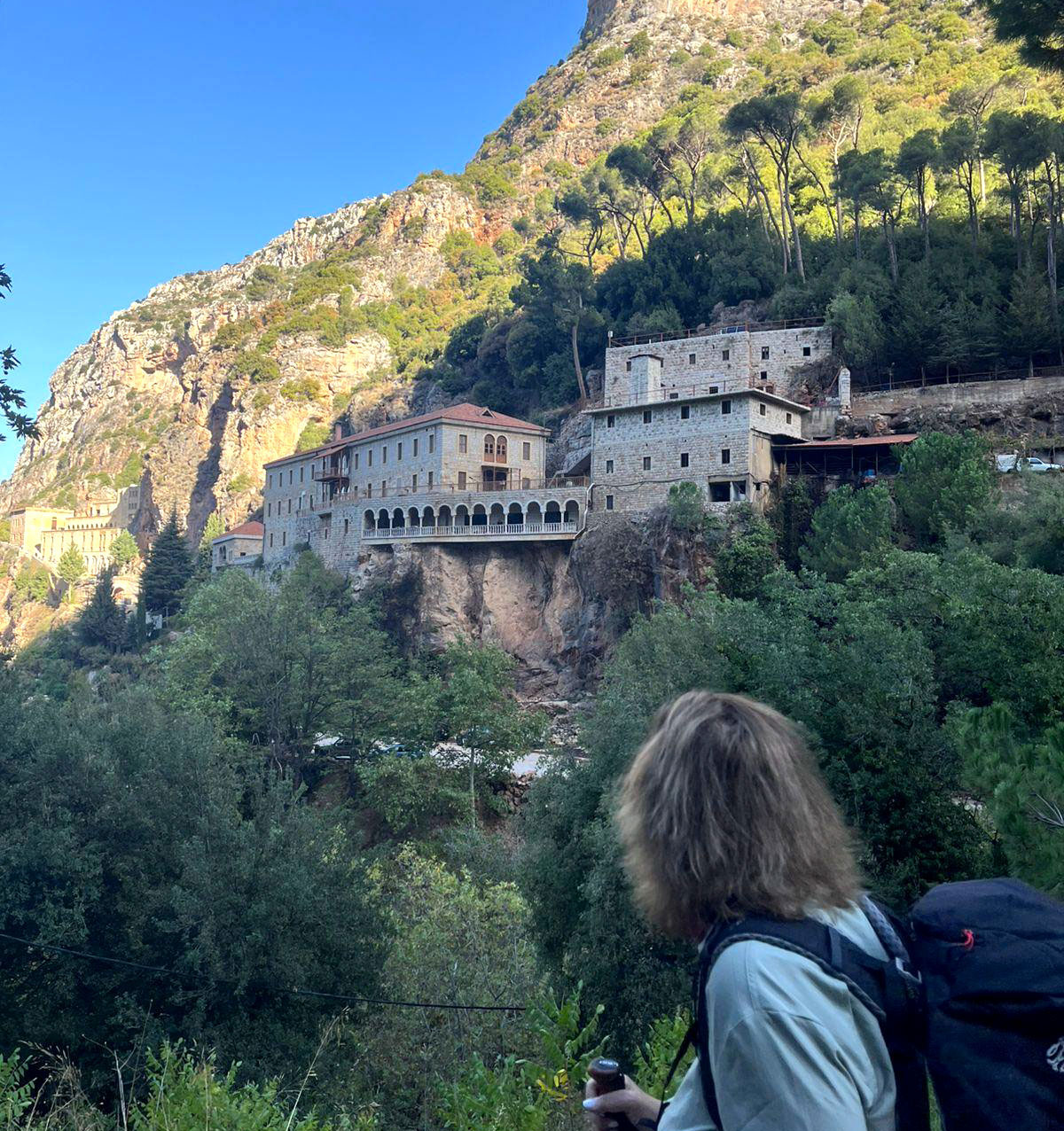
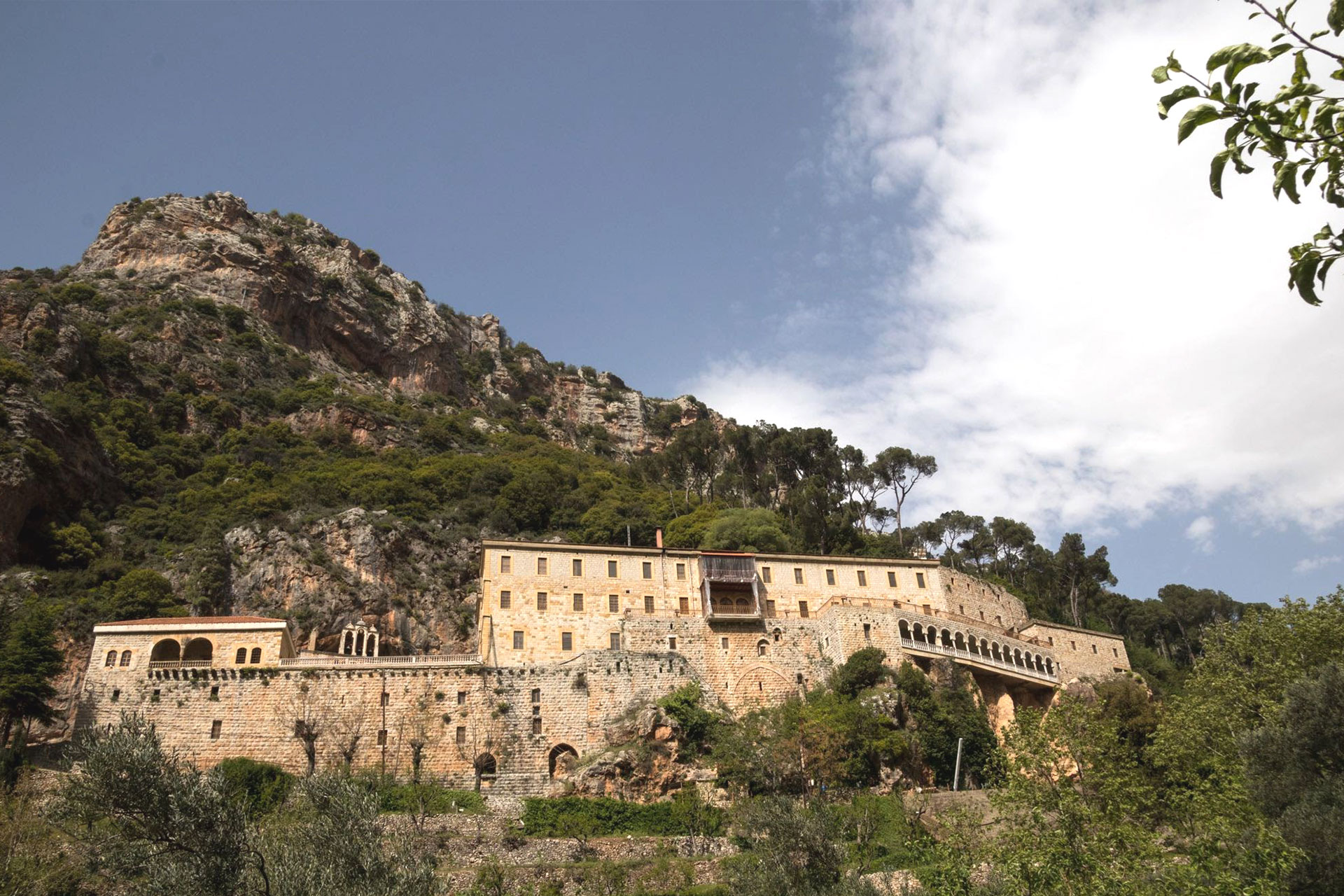
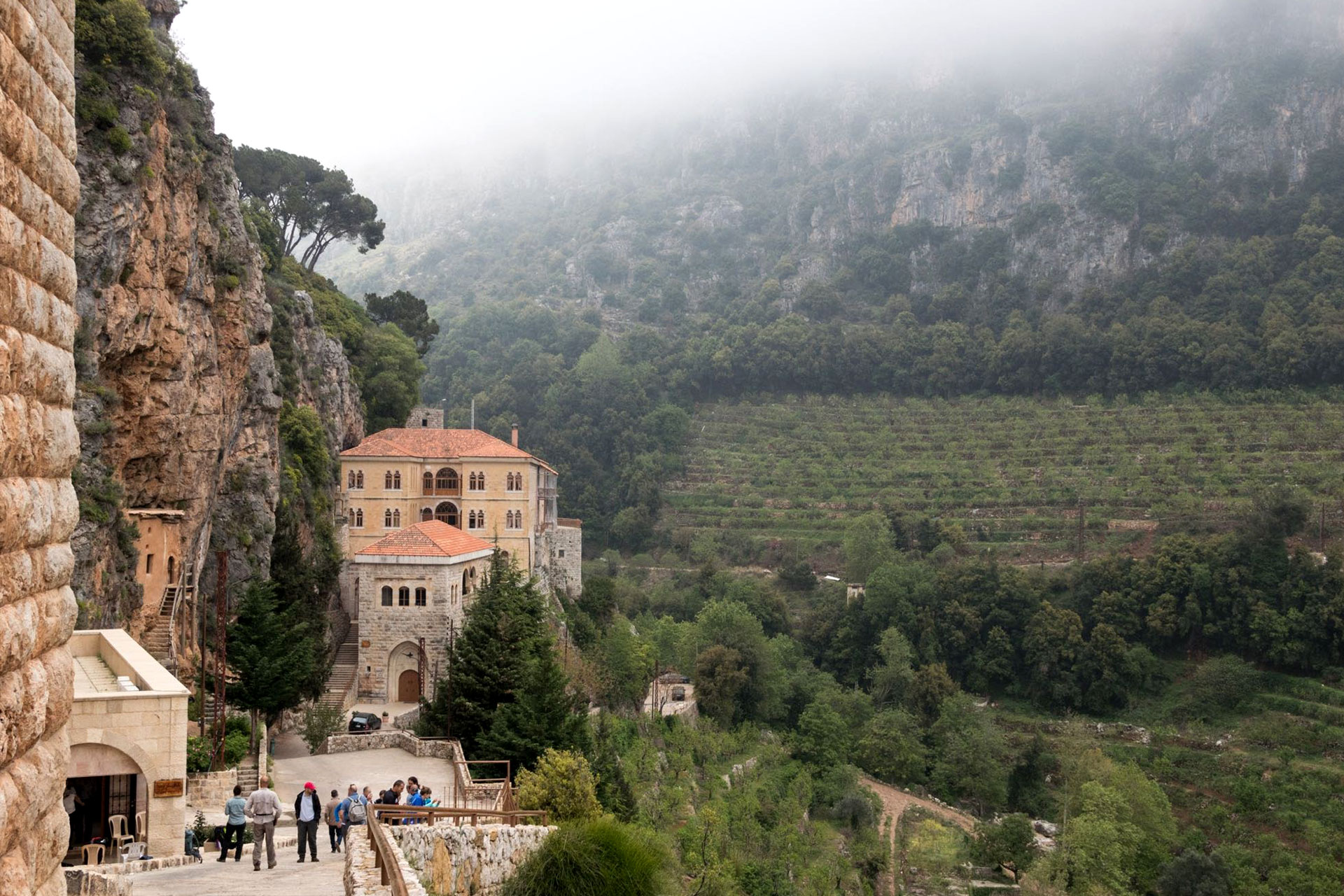
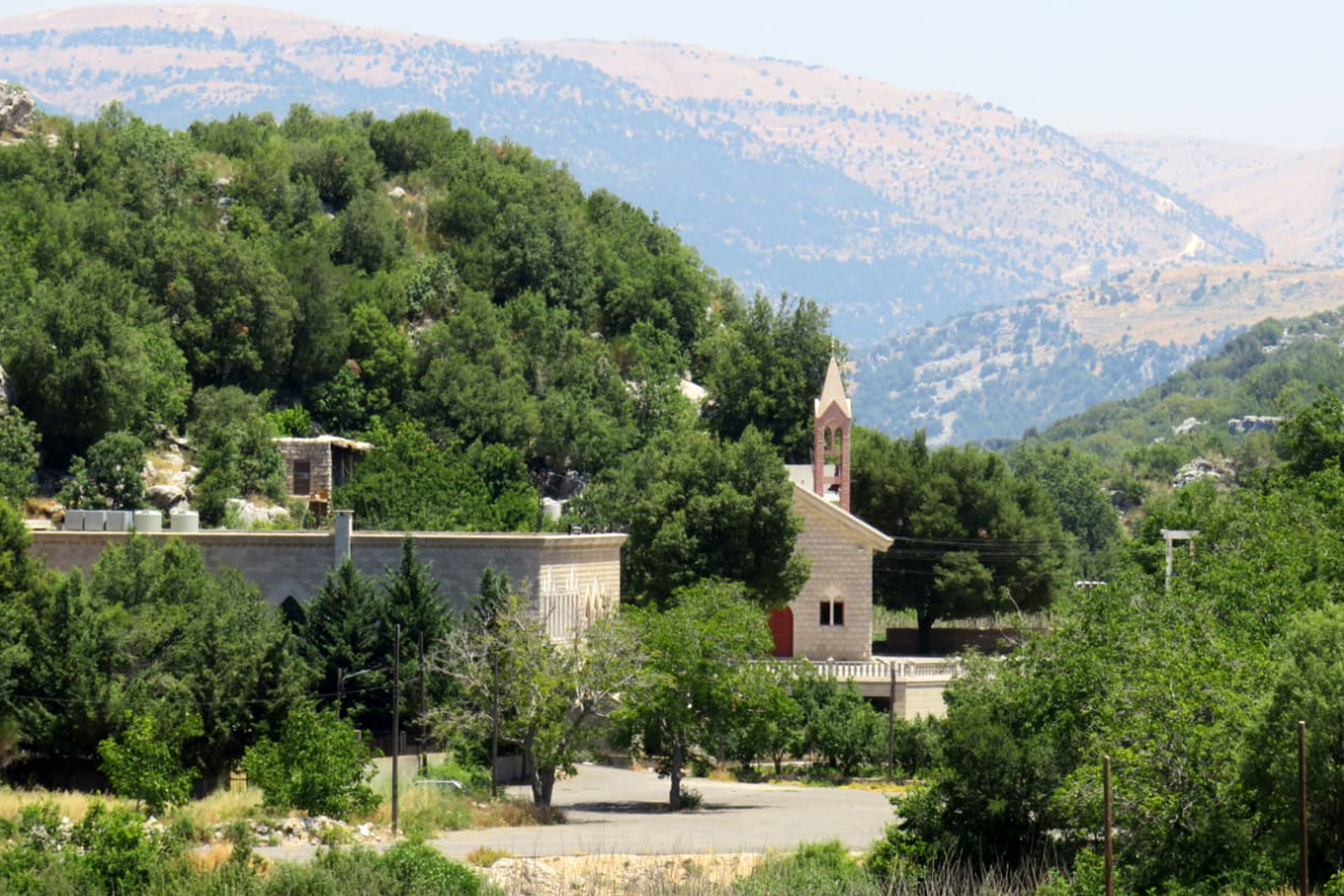
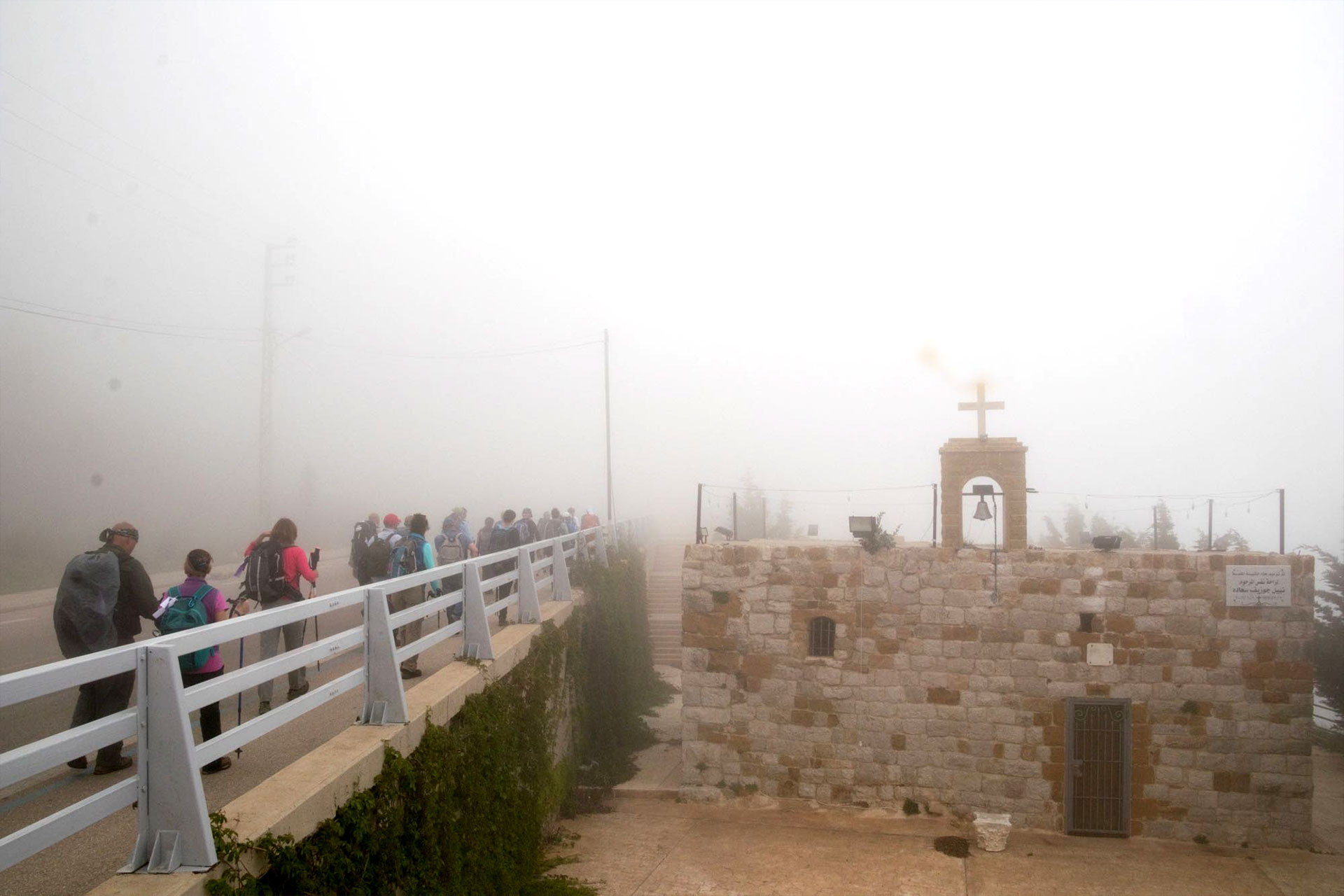
Across Lebanon’s mountains, churches, mosques, monasteries, hermitages, shrines, and sacred paths reflect centuries of faith and spiritual continuity. From the monasteries of the Qadisha Valley to sites such as Khelweh Ayoub and other religious landmarks, these places connect generations through stories, traditions, prayer, and pilgrimage.


Landscapes Shaped by Life and Time
Terraces, valleys, and natural landscapes tell the story of communities living in close relationship with nature.
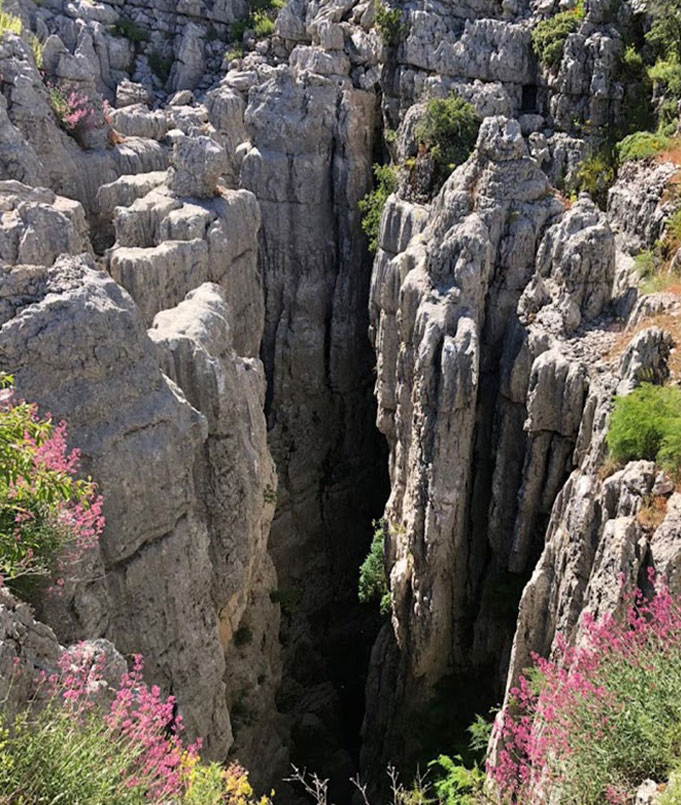
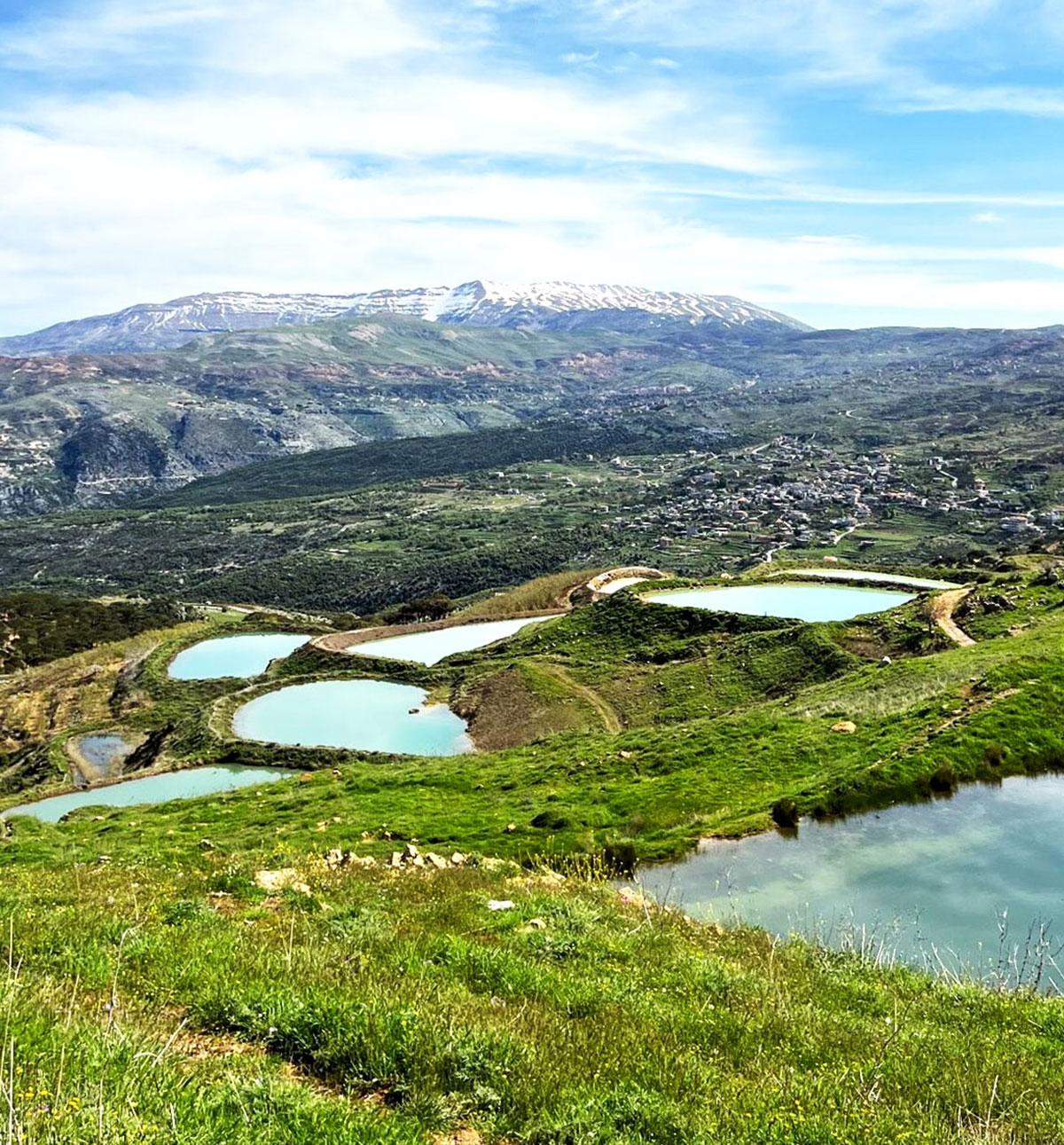
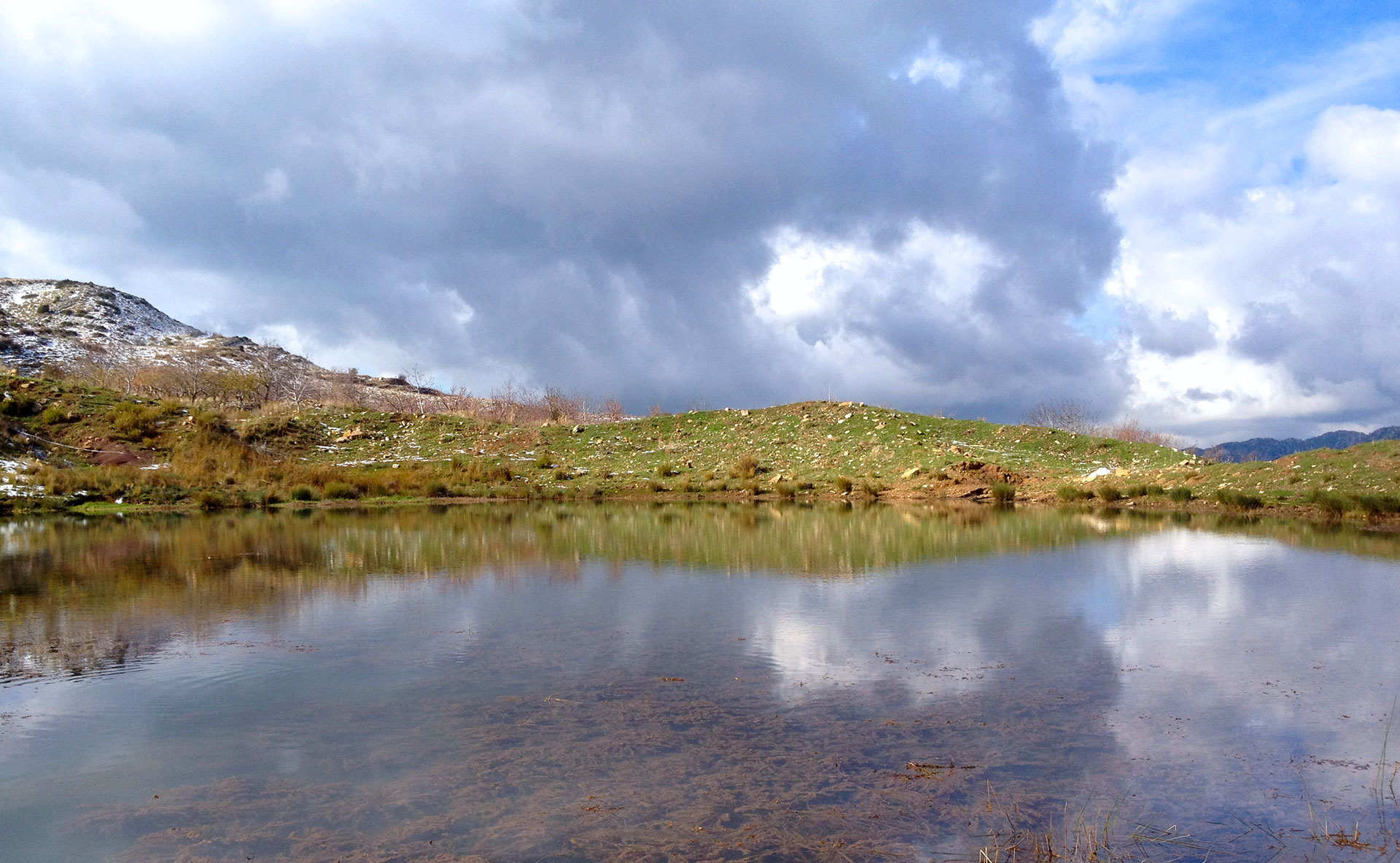
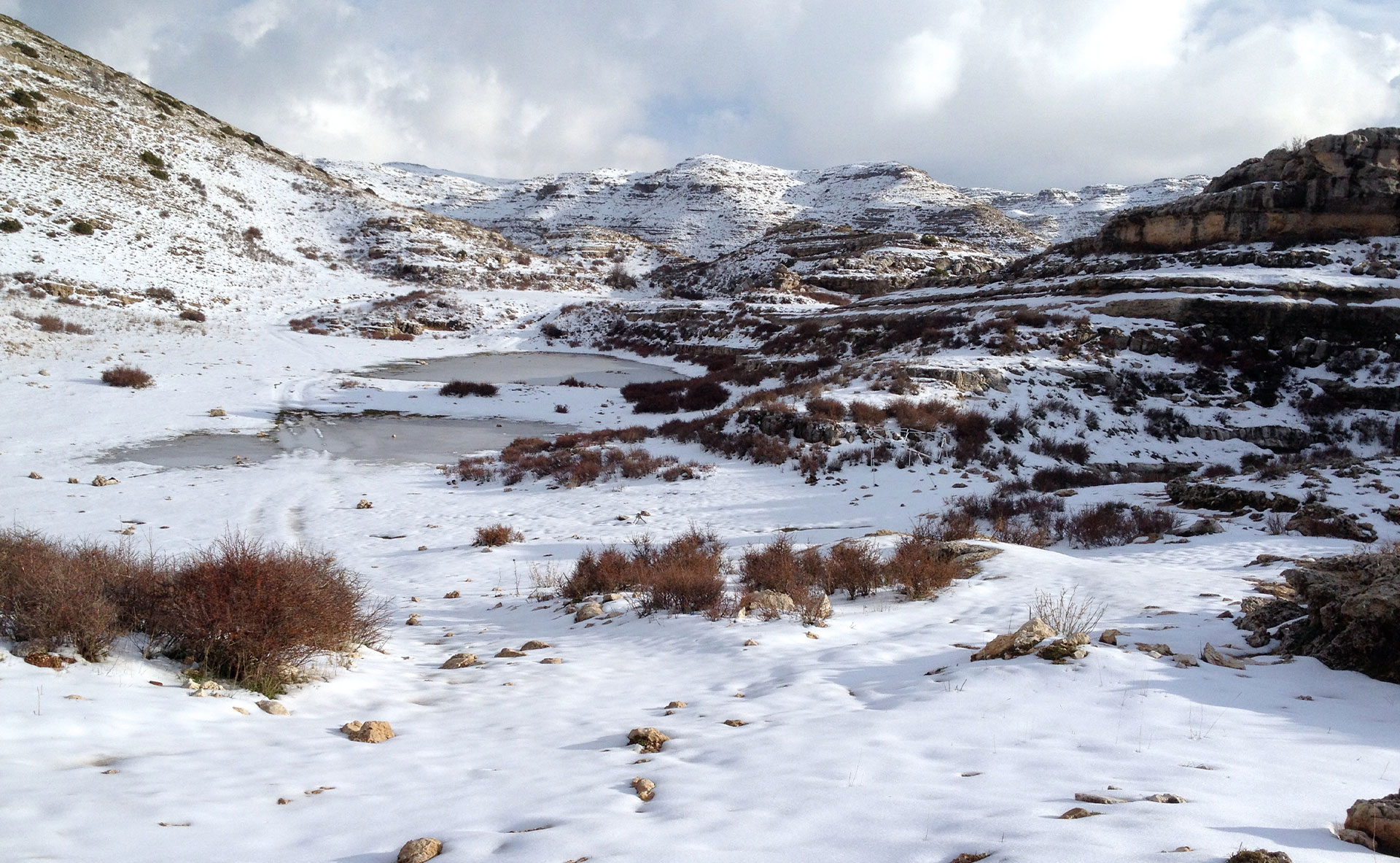
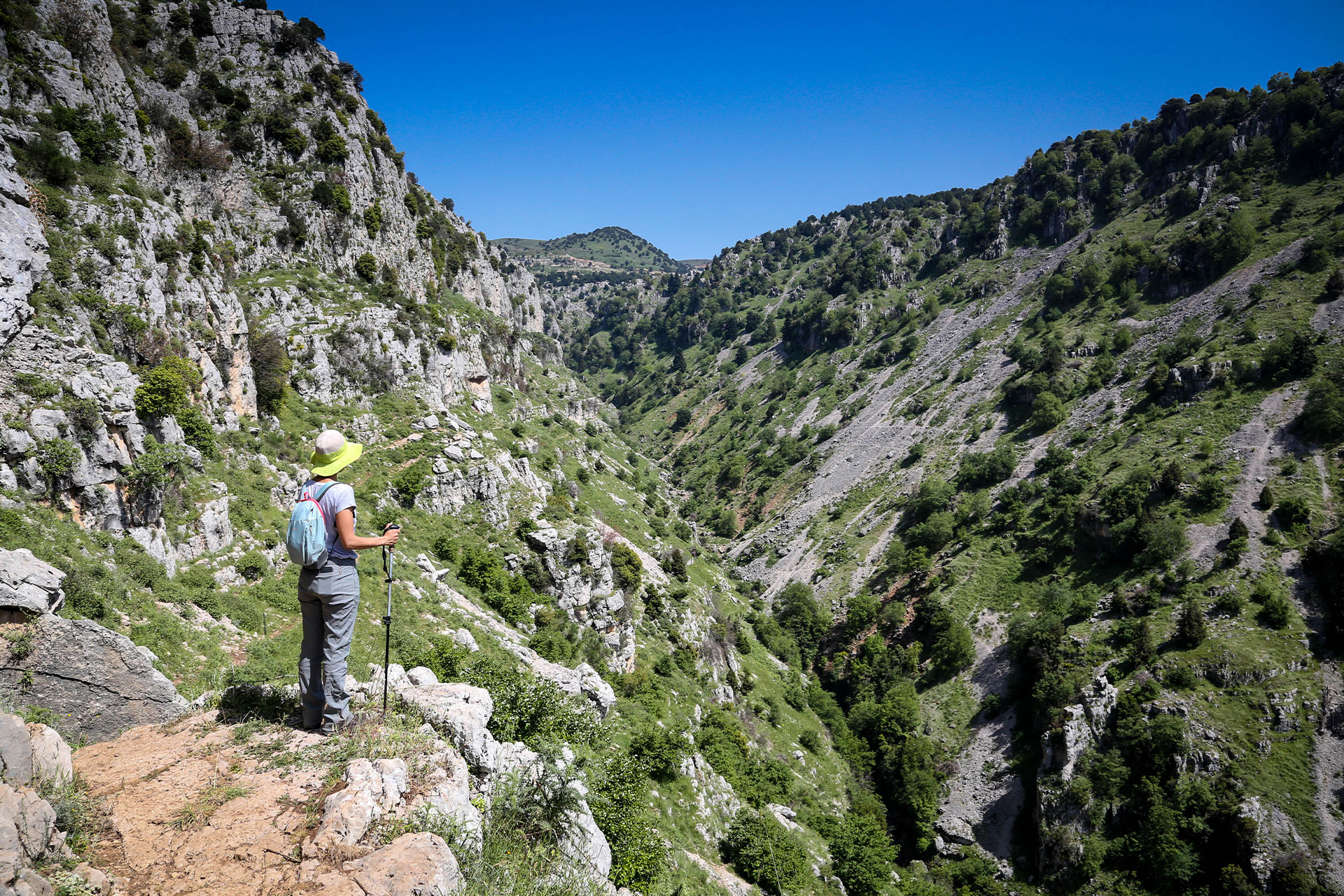
Lebanon’s mountain landscapes have been shaped by generations of interaction between people and nature. Agricultural terraces, ponds, valleys, and carefully managed natural resources reflect resilience, adaptation, and continuity.
Examples along the LMT include:
- Agricultural terraces
- Agricultural ponds
- Rural landscapes shaped by human activity
- The Qadisha Valley, a UNESCO World Heritage Site
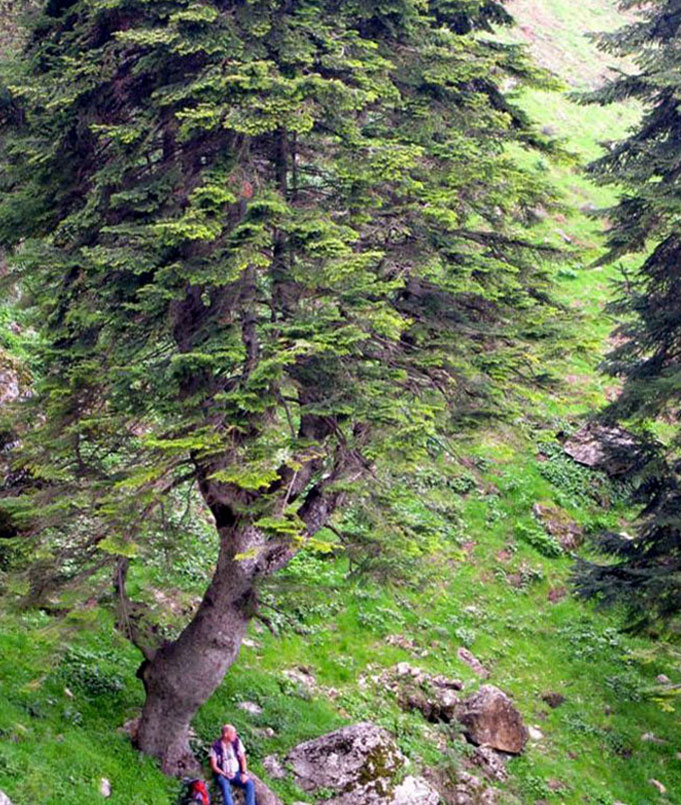
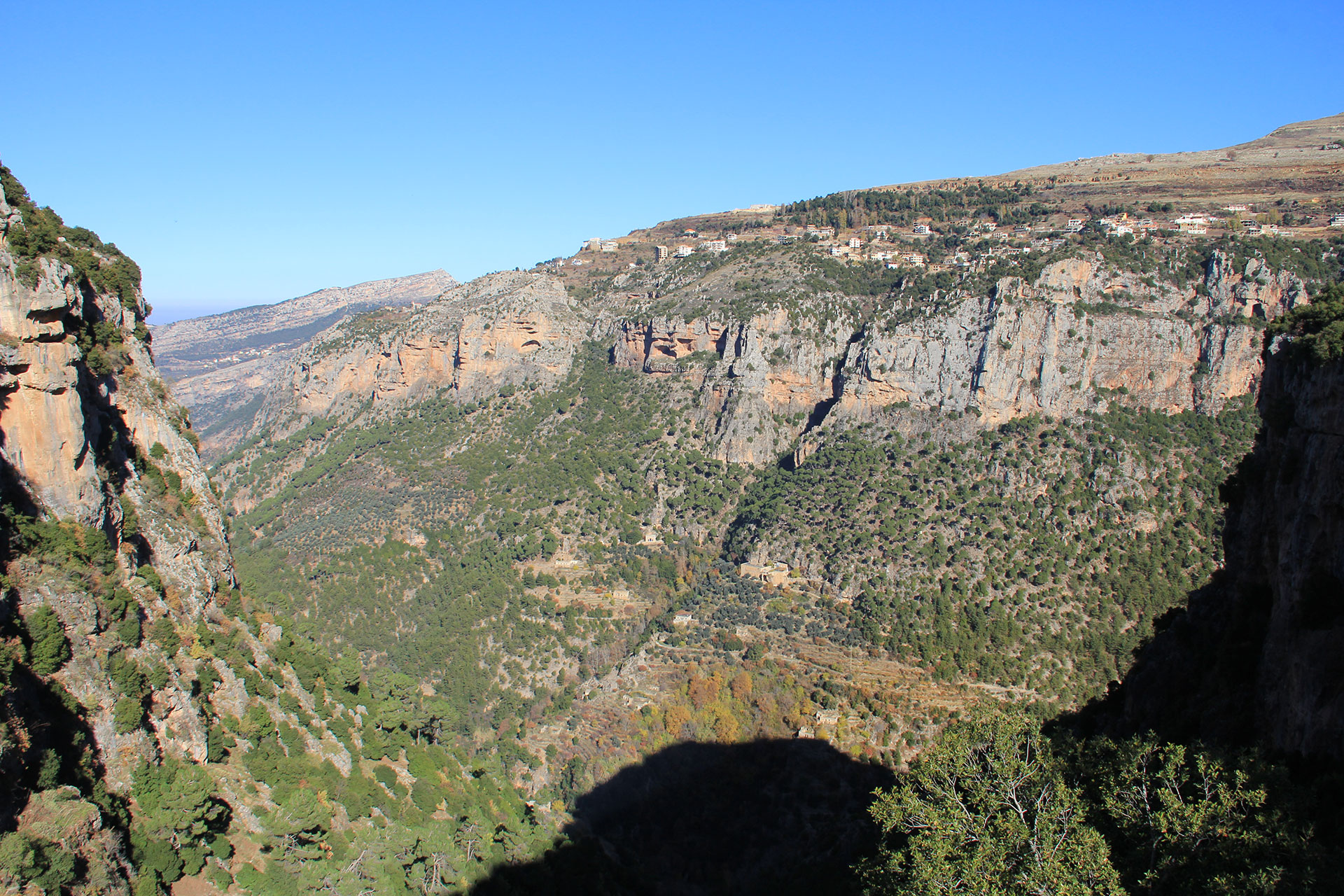
The Qadisha Valley, or Holy Valley, has sheltered Christian monastic communities for centuries and contains monasteries, the Cedars of God, and archaeological remains that reflect Lebanon’s deep natural and cultural heritage.


Rooted in the Land, Guided by Tradition


Generations have cultivated these mountains, passing down knowledge of sustainable living and resilience.
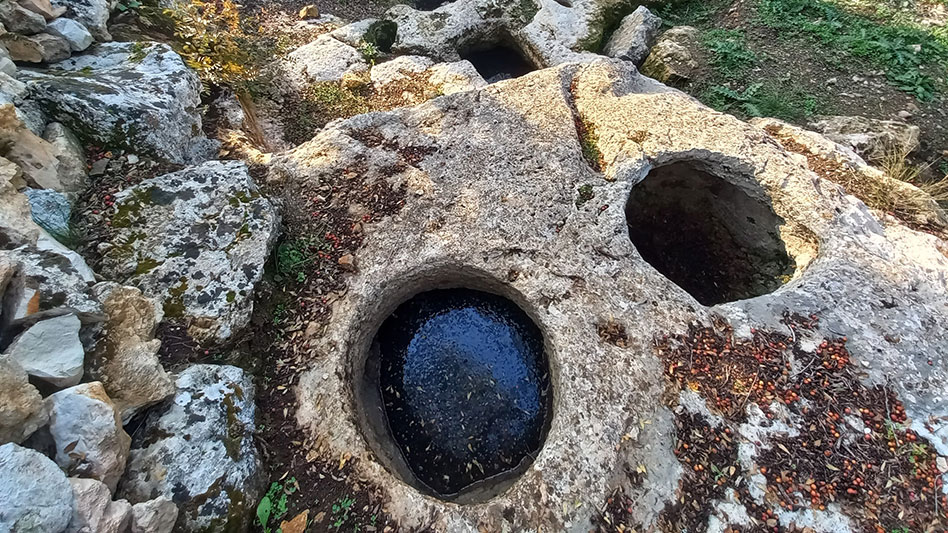
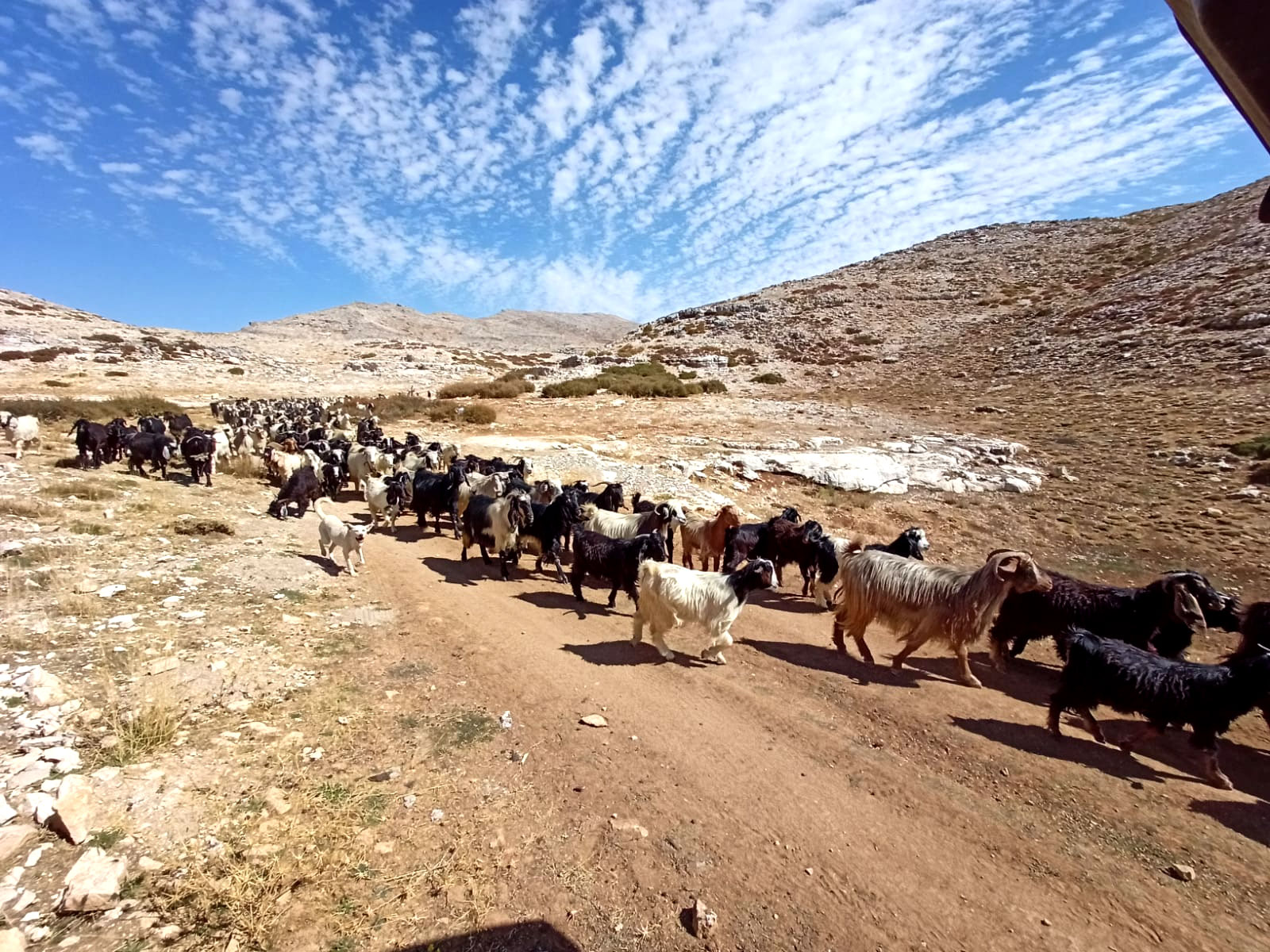
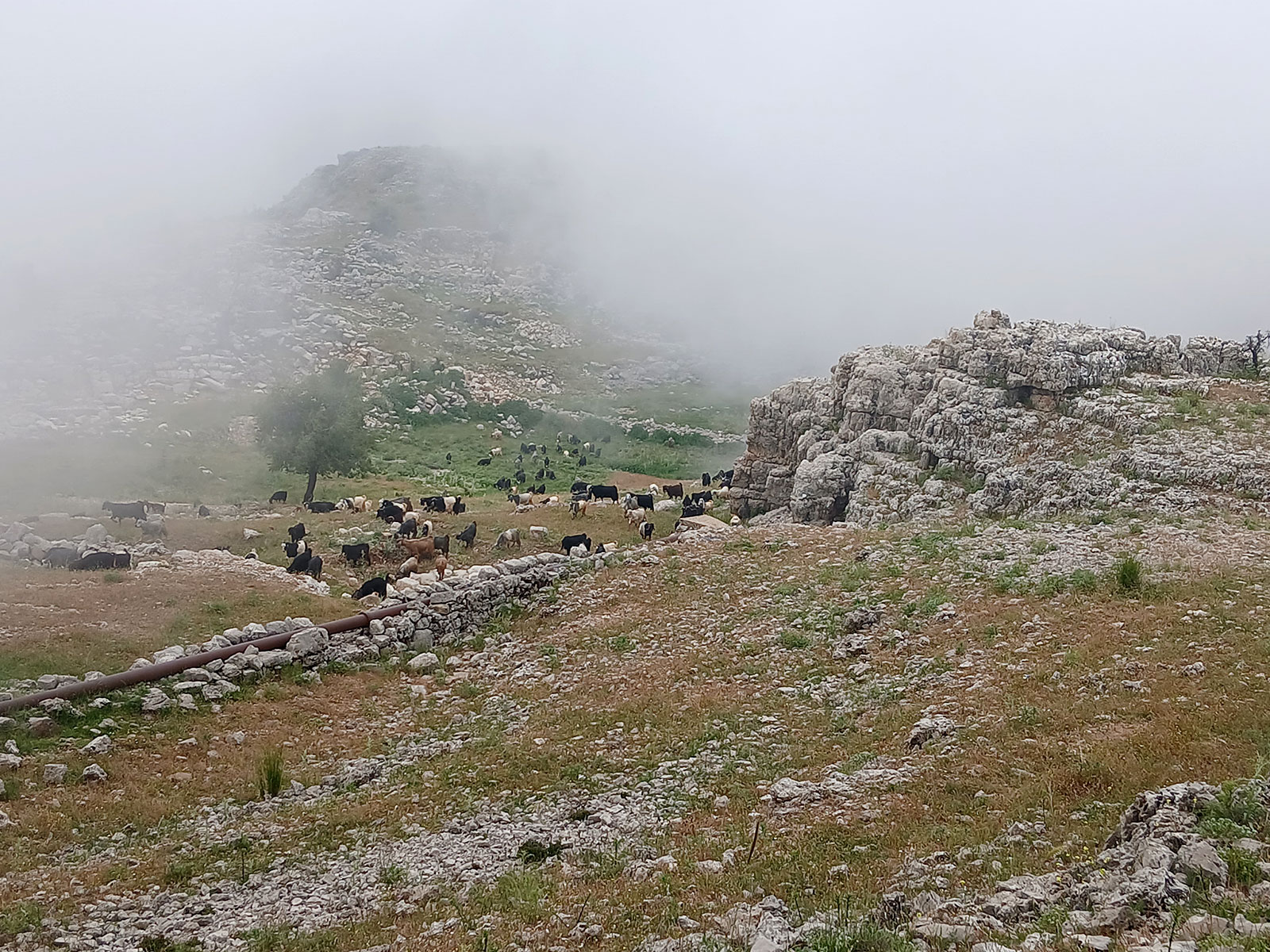
Traditional presses for olives and grapes, water mills, silkworm farms, shepherds’ shelters, transhumance, and seasonal settlements reflect a rural way of life shaped by agriculture, climate, and the land.
Many of these traditions and heritage features remain visible along the Lebanon Mountain Trail, offering visitors an opportunity to experience Lebanon’s living rural and agricultural heritage.
Built to Connect, Designed to Endure
Bridges, water systems, and pathways reveal the ingenuity that has sustained mountain communities for centuries.
Stone bridges, springs, fountains, irrigation systems, water channels, and traditional pathways demonstrate the practical knowledge and craftsmanship developed to adapt to challenging mountain terrain.
Many of these structures remain visible along the LMT, offering visitors a glimpse into the ingenuity and resilience that shaped mountain life.


Where Community Comes to Life
Village squares, markets, and gathering places reflect the heart and soul of everyday life.
Village centers have long been places of social connection and community life. Traditional markets, squares, fountains, and gathering places reflect the rhythm of daily life and the enduring social fabric of Lebanon’s mountain communities.
Along the LMT, visitors can experience authentic village spaces and landmarks, including:
- Village centers and fountain squares
- Traditional markets, such as Rachaya
- Rural and urban landmarks
- Social gathering spaces


Crafting Heritage by Hand
Artisans preserve centuries-old skills, transforming tradition into living culture.

The Living Fabric of the Trail
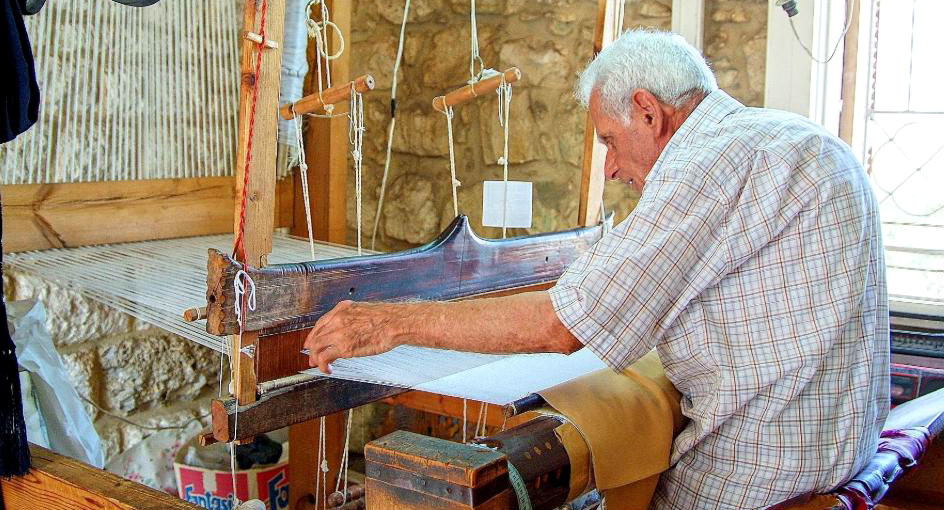
The Lebanon Mountain Trail passes through communities where traditional craftsmanship remains part of the cultural landscape. For generations, mountain artisans have transformed materials such as leather, metal, glass, and silk into objects that reflect local skills, creativity, and resilience. Celebrating these crafts helps keep the cultural identity of mountain communities alive.
Example: Handcrafted Cutlery in Jezzine
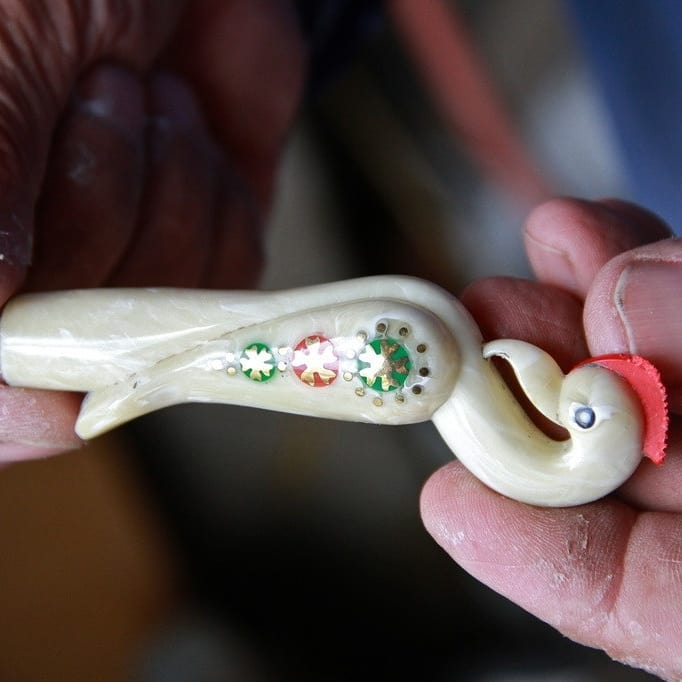
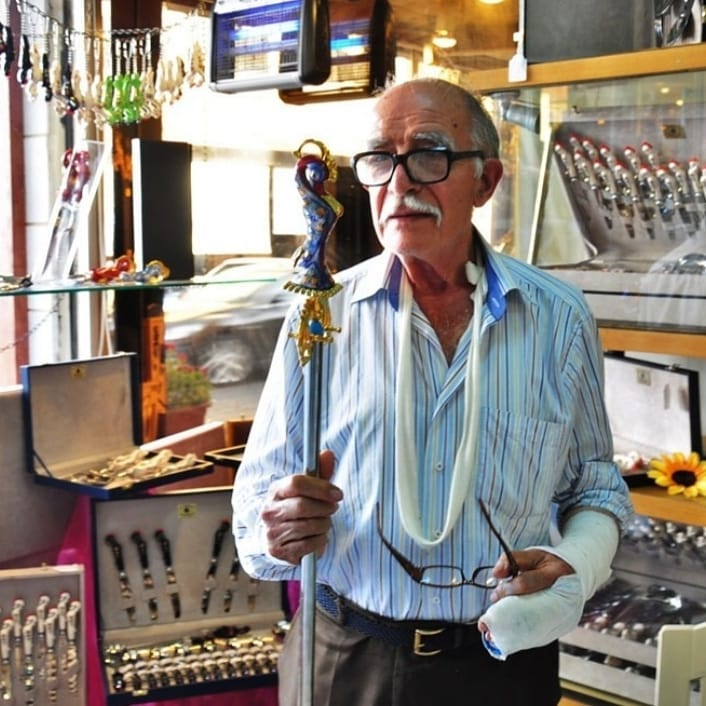
Jezzine, on the Lebanon Mountain Trail, is renowned for its handcrafted cutlery. The Haddad family introduced the craft in 1770 and became known for elegant creations, including the famous “Phoenix” sword. Their success inspired other local families to develop distinctive designs, including the well-known firebird cutlery.
Culture You Can Feel, Share, and Live
From food and music to rituals and stories, heritage lives through people and their daily lives.
The Soul of the Jabal: A Heritage of Seasonality and Mouneh
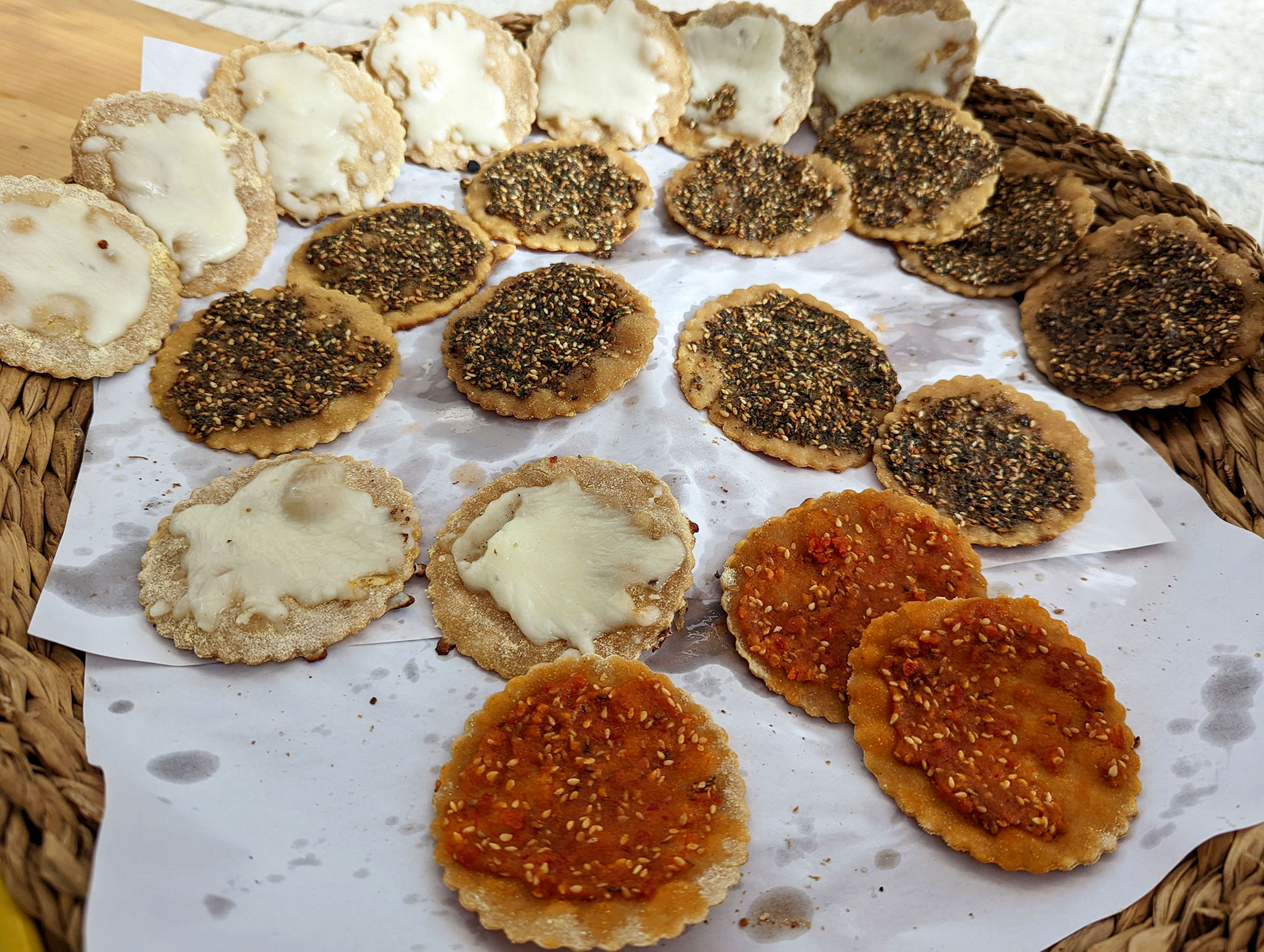
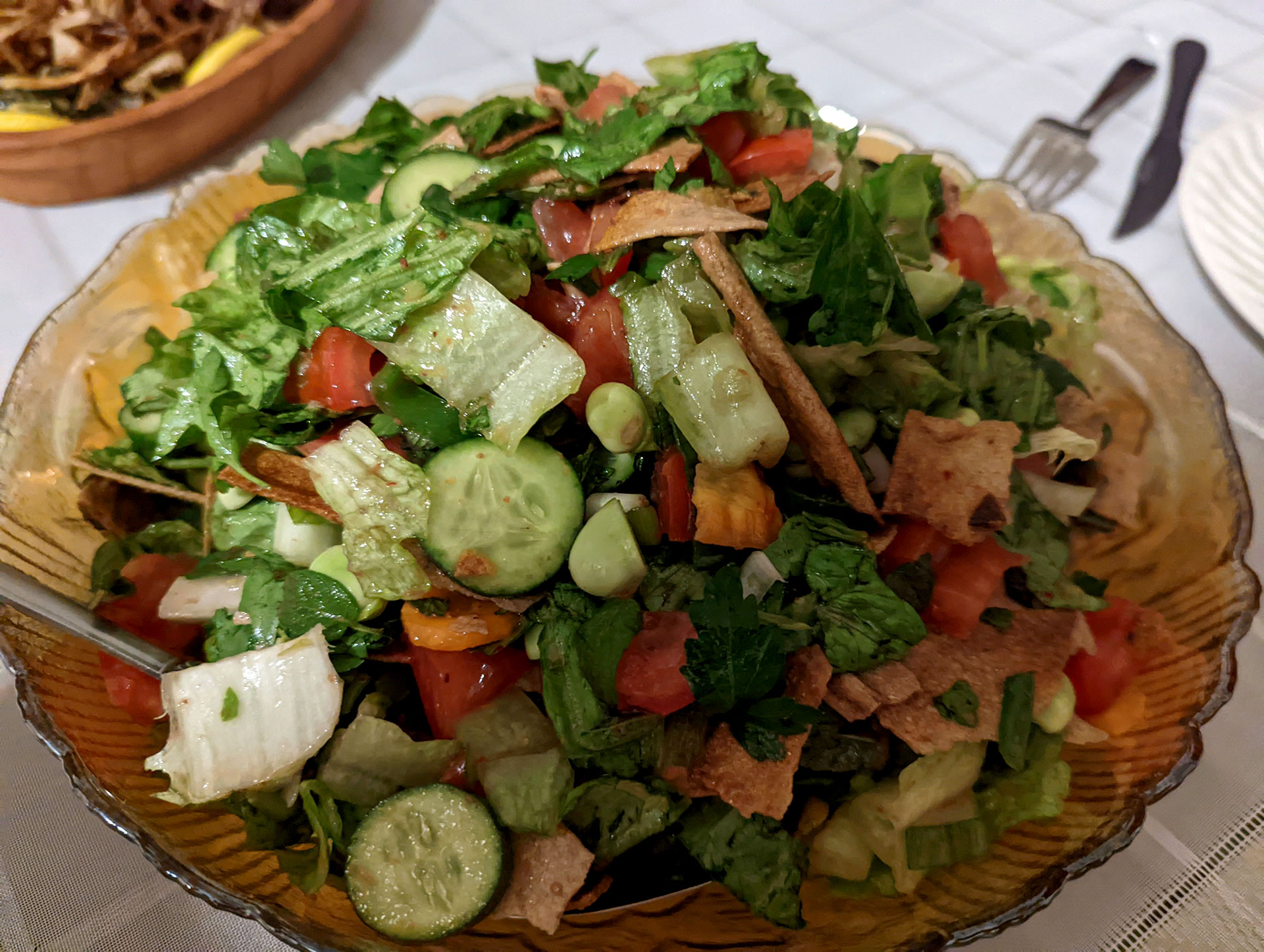
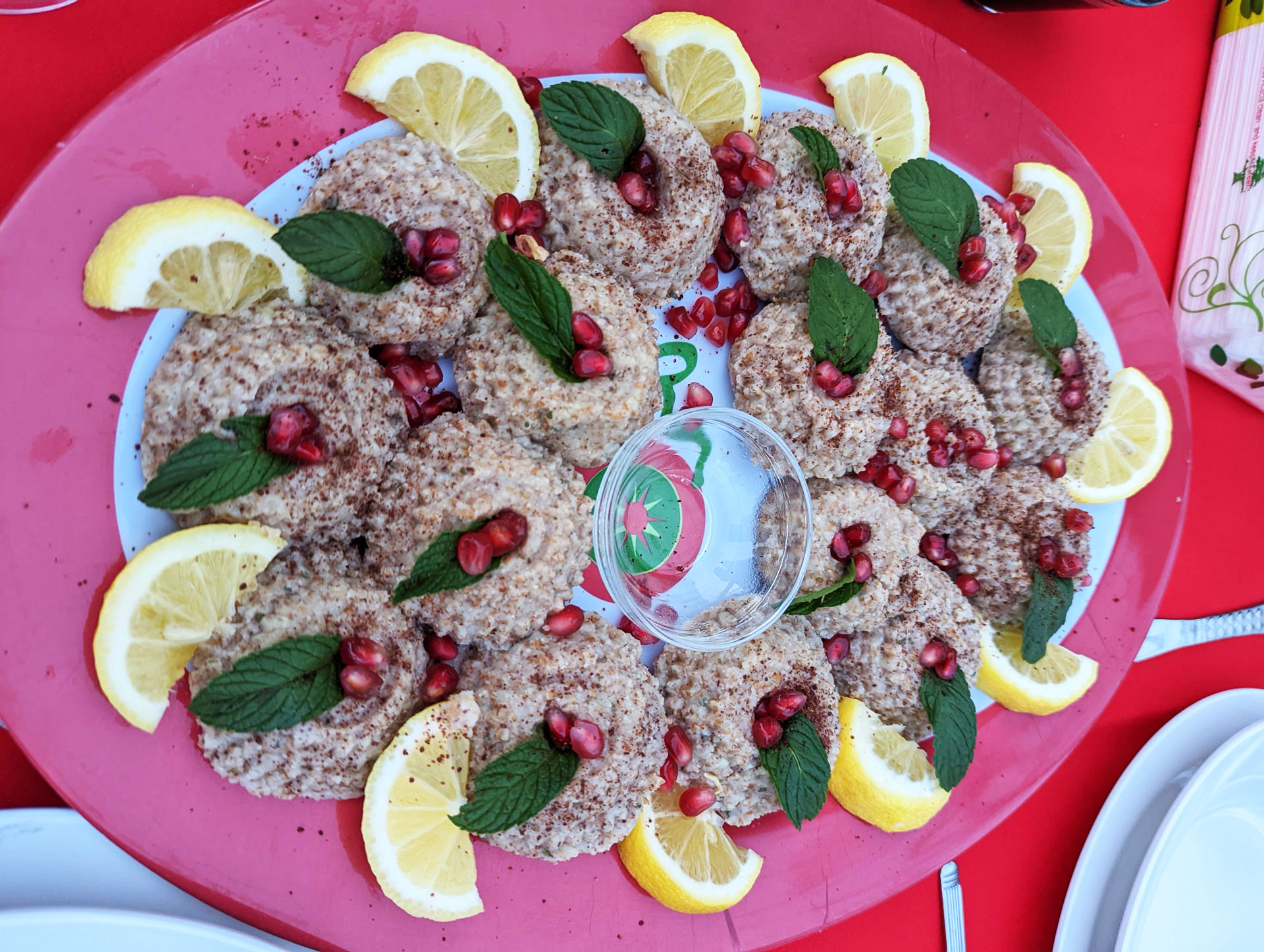
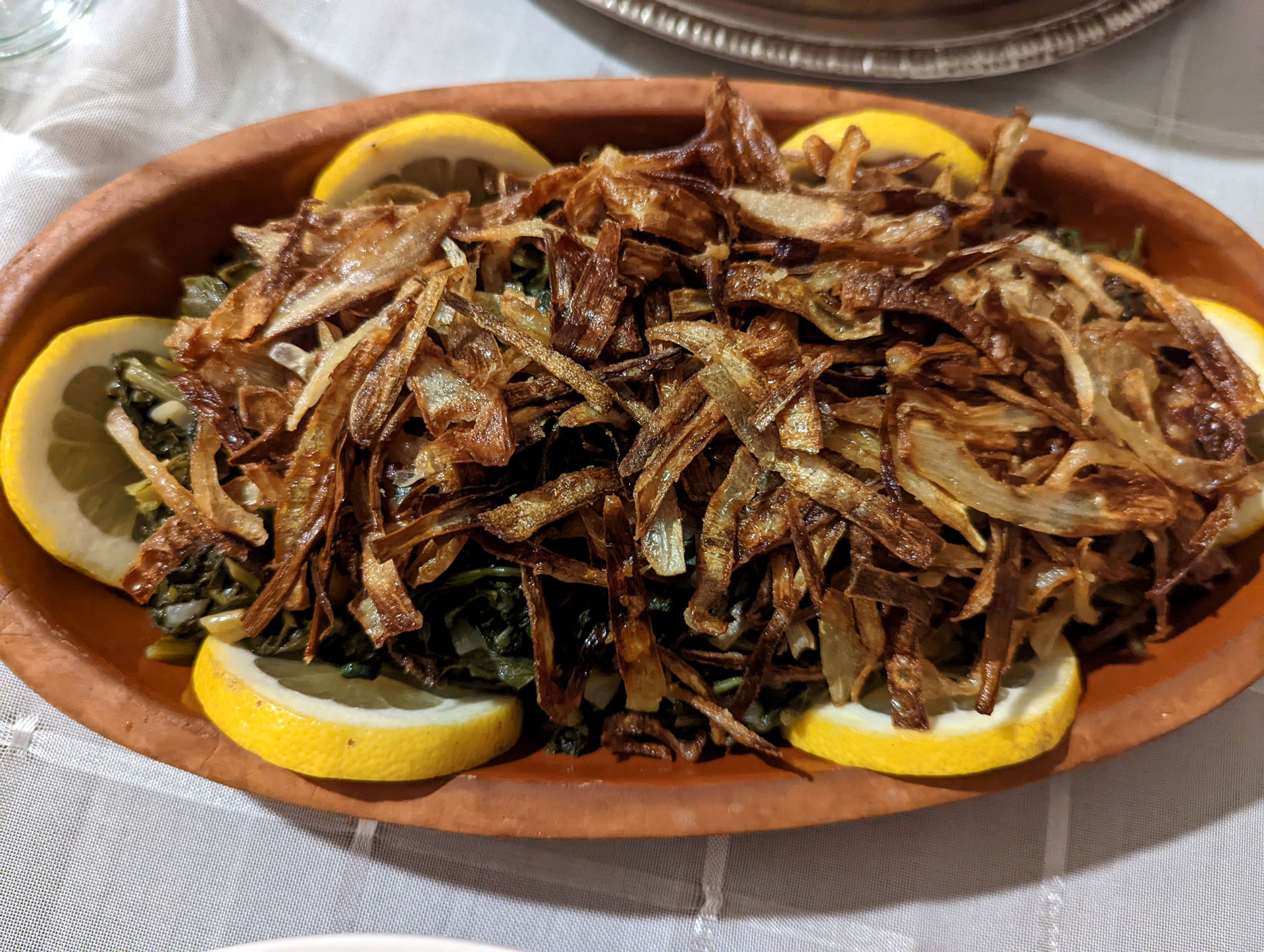
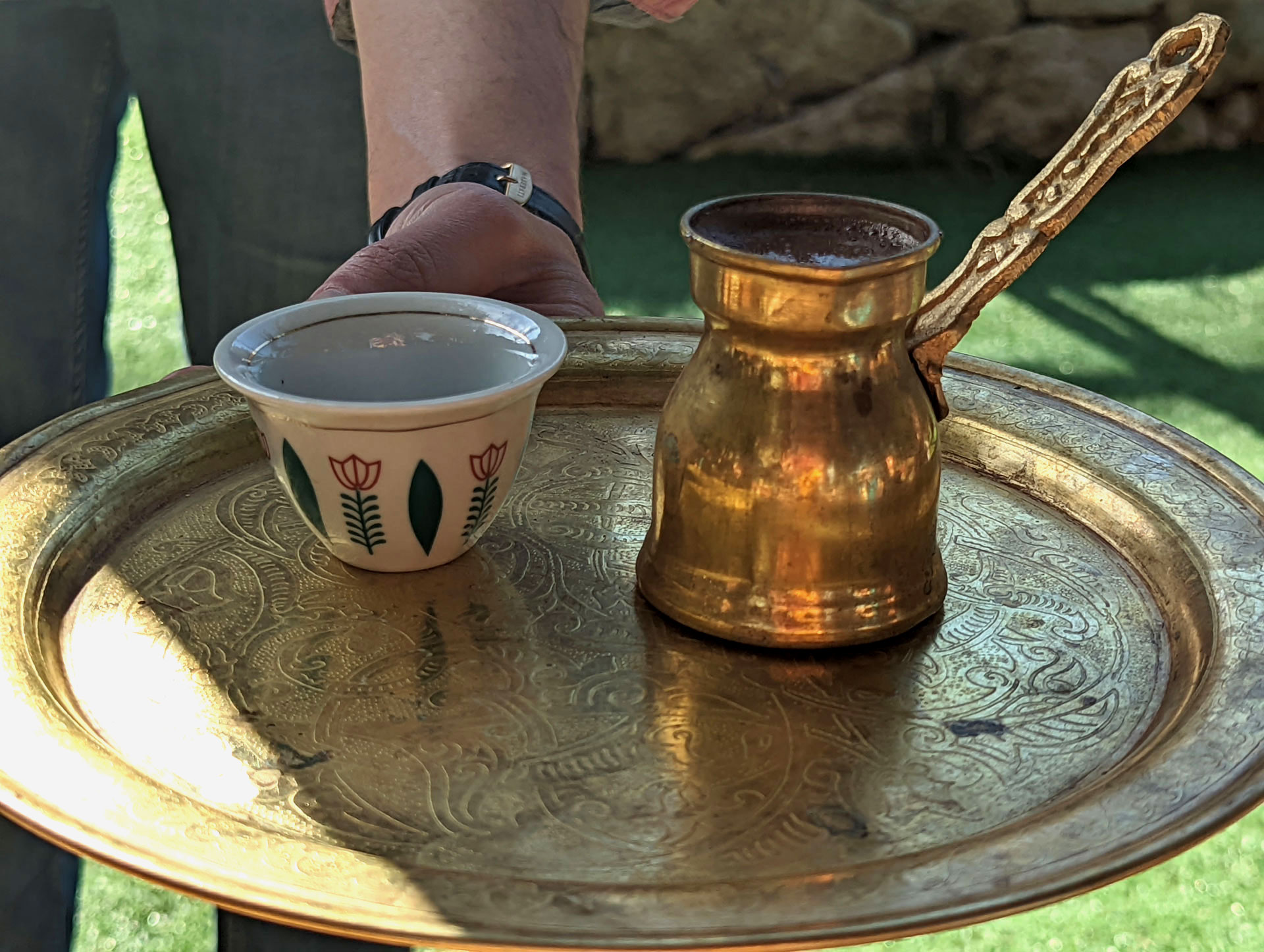
Lebanese mountain cuisine is a powerful expression of cultural identity, shaped by the seasonal rhythms of the Mediterranean highlands.
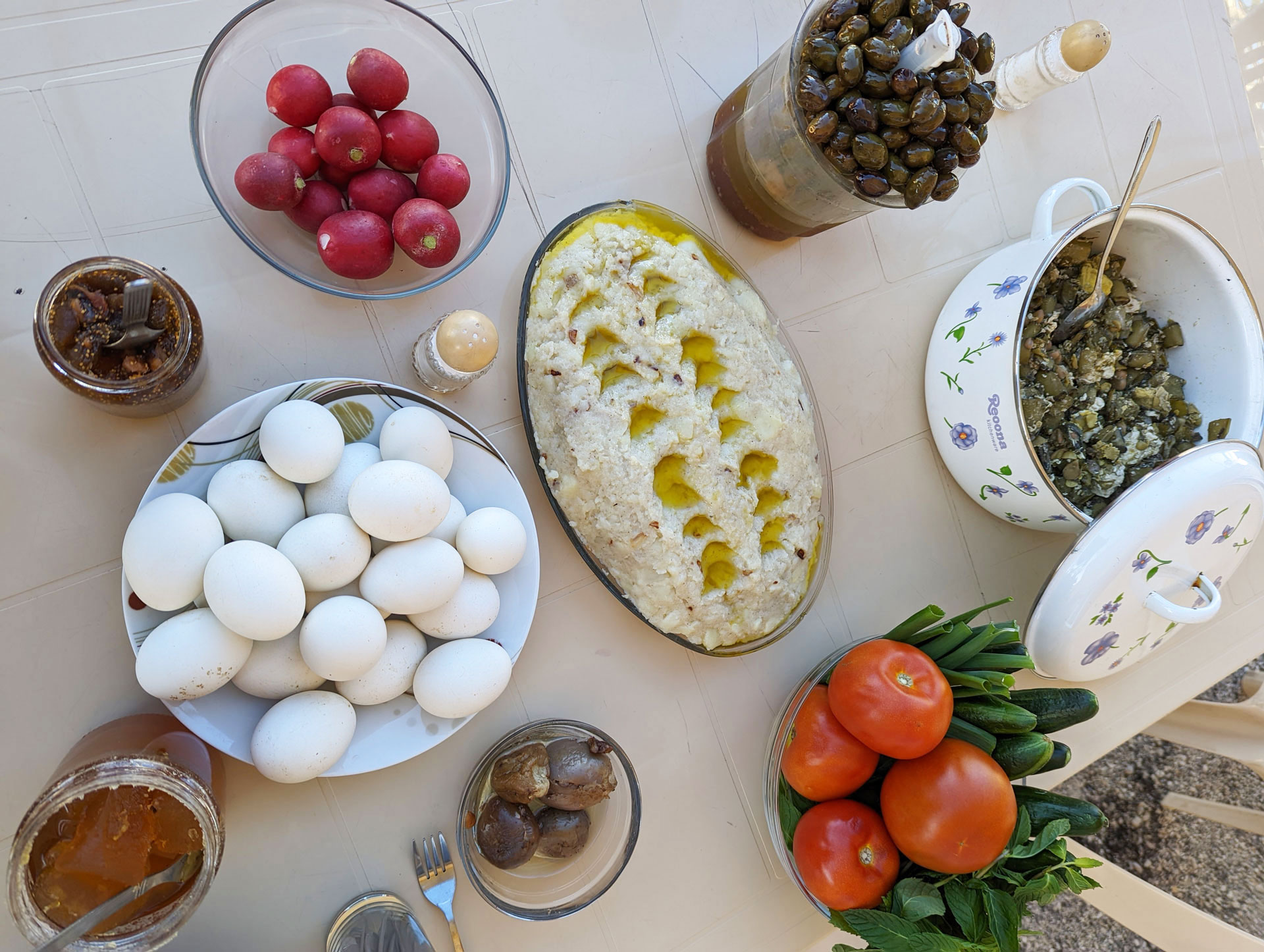
The tradition of mouneh reflects generations of knowledge about preserving the land’s resources through drying, pickling, fermentation, and other techniques. These traditions remain an important part of the culinary experience along the LMT.
Examples of mountain cuisine include:
- Kishk: Fermented, dried yogurt and bulgur
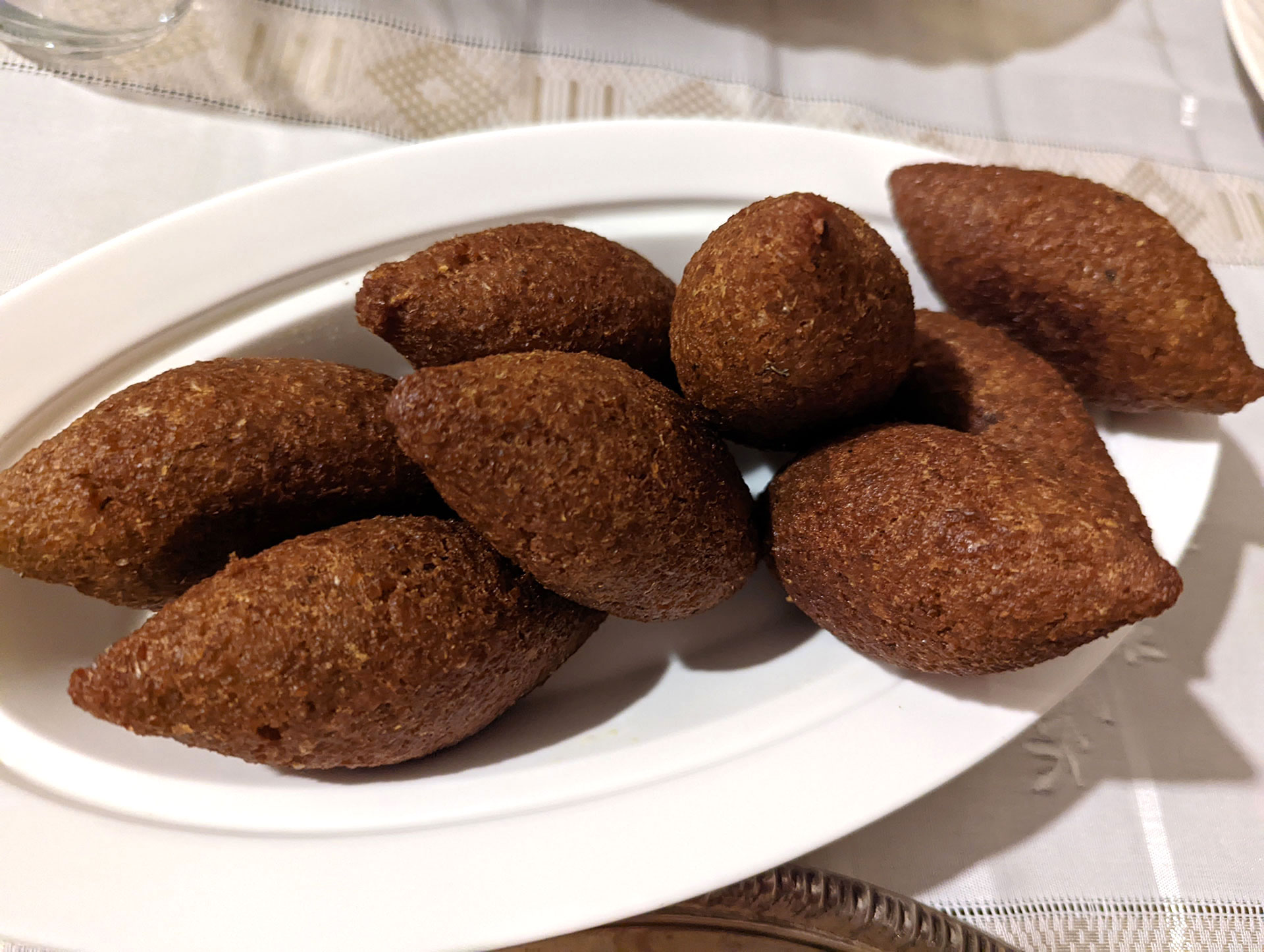
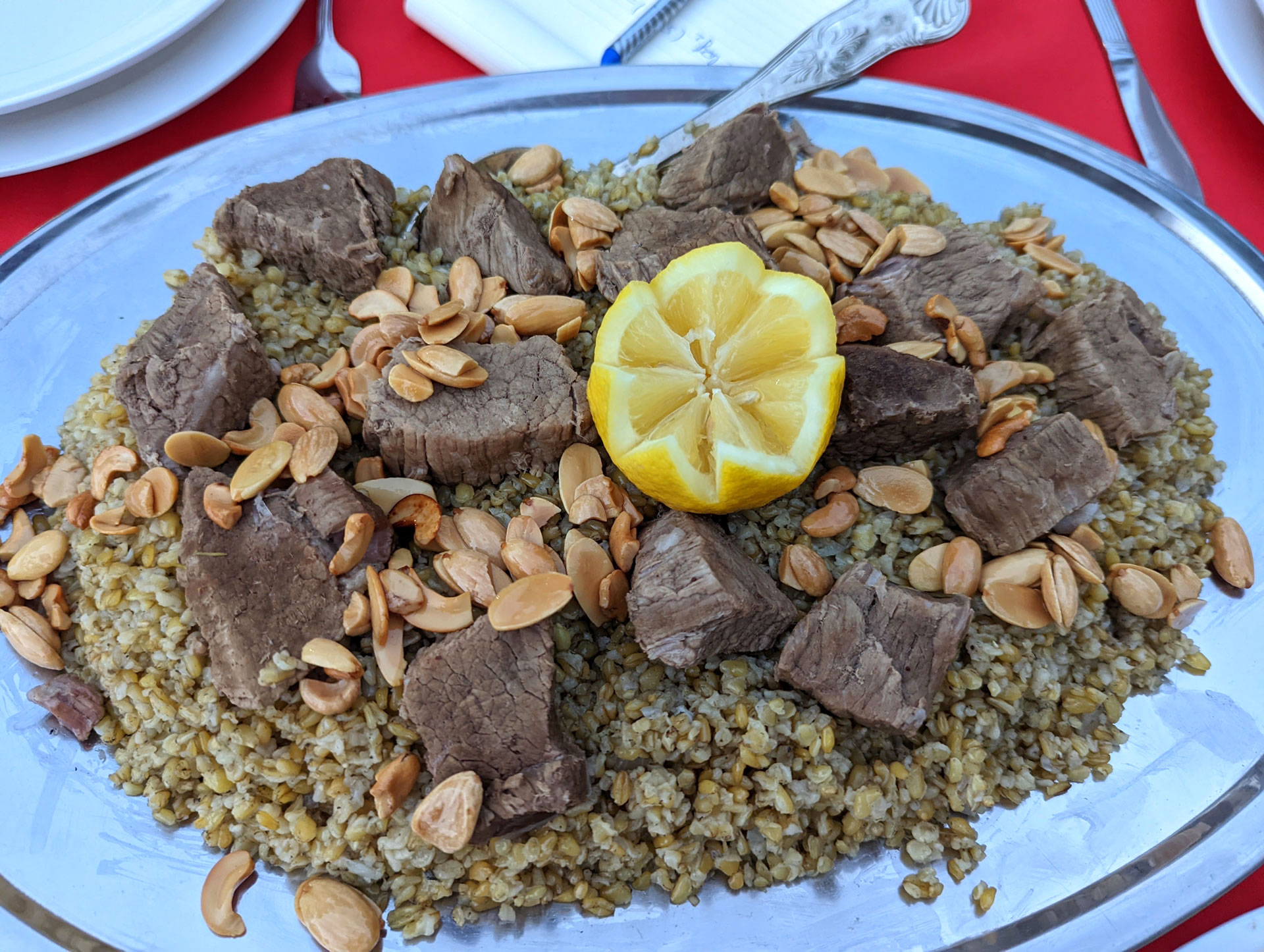
- Kibbe Labanieh: Bulgur and meat served in a garlic-infused yogurt sauce
- Mjadra Hamra: Lentils with deeply browned onions
- Fatayer: Pastries filled with wild greens and edible leaves
- Awarma: Lamb preserved in its own fat
- Malban: Walnuts coated in thickened grape molasses


A Journey Through Lebanon’s Literary Heart
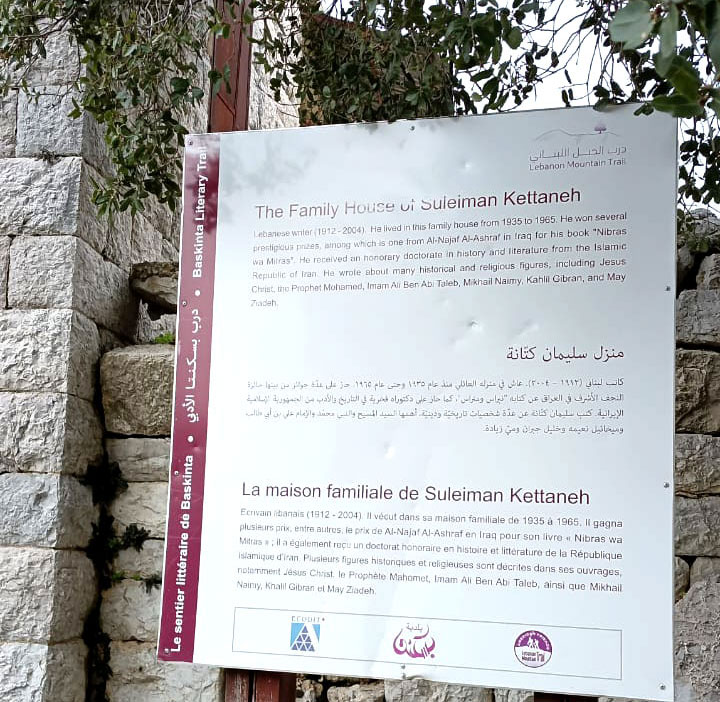
The Baskinta Literary Trail (BLT) combines cultural heritage and natural beauty across 24 km of Mount Lebanon.
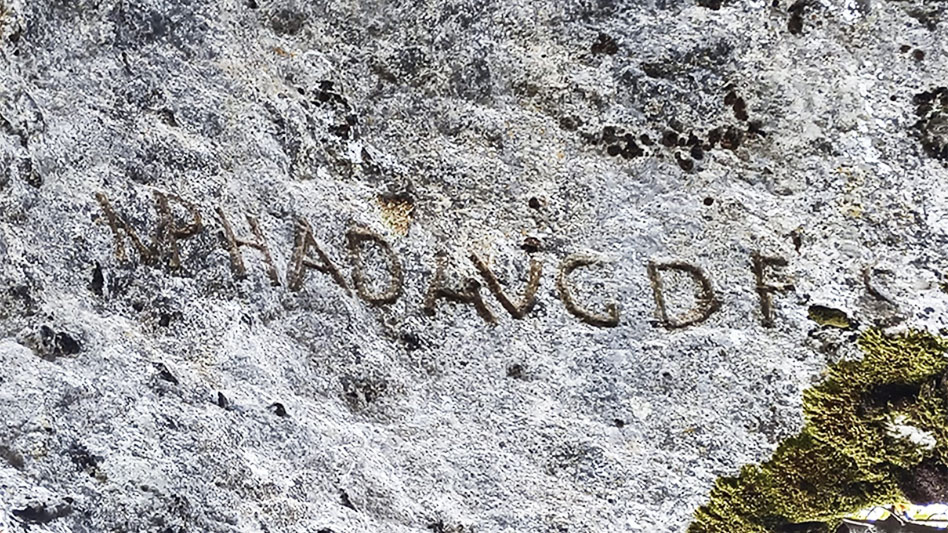
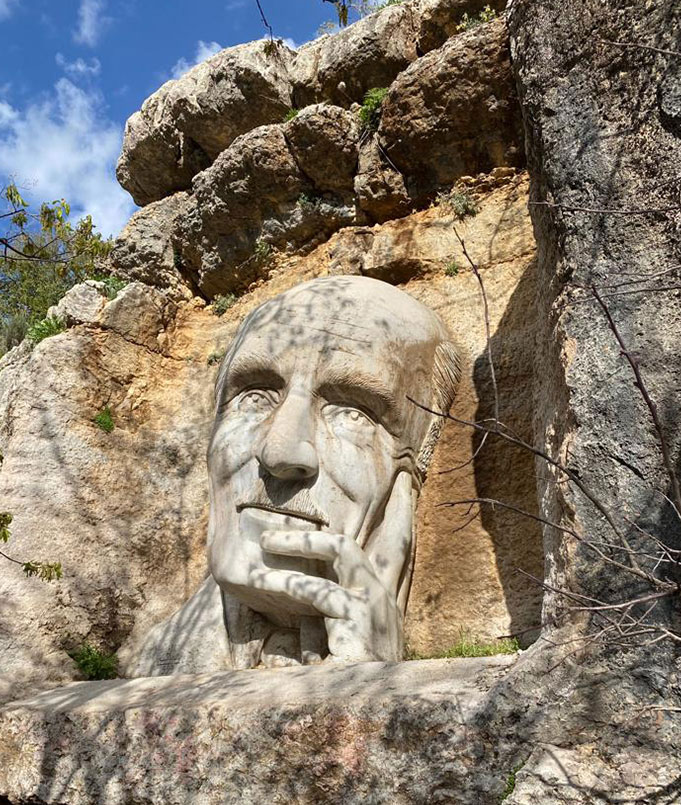
The trail connects 22 landmarks associated with writers including Mikhail Naimy and Amin Maalouf, from the Memorial Garden at el Chakhroub to historic homes and Roman inscriptions. Passing through forests and traditional villages, the BLT uses information panels and local guides to create a living journey through Lebanon’s literary heritage.
Poetry on the LMT: Celebrating Zajal in Douma
In April 2023, the LMTA brought the traditional art of zajal to the mountains. Thru-hikers arriving in Douma were welcomed with performances by renowned poets, accompanied by traditional music, in partnership with the Municipality and Douma Club.
The event connected outdoor adventure with living cultural heritage, transforming a stop along the trail into a celebration of Lebanese identity and community.
Zajal, recognized by UNESCO, is a centuries-old tradition that remains an important expression of local identity. Initiatives such as this help keep intangible heritage alive while strengthening the connection between the land, its people, and those who walk the trail.
Subscribe here to receive the yearly LMTA magazine and periodic Newsletters.